 By Digital Spartans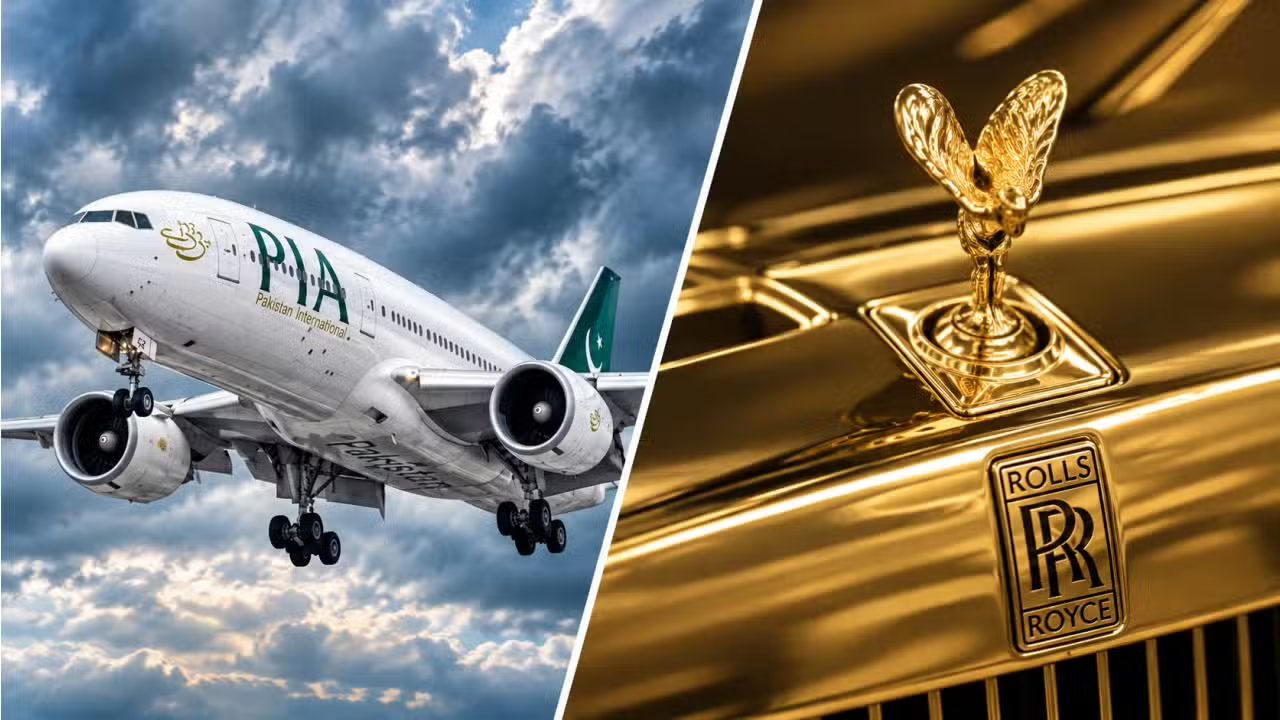
Pakistan is exploring aircraft leasing options and potential arrangements with Airbus and Rolls-Royce as part of efforts to modernise the fleet of Pakistan International Airlines (PIA).
The discussions come as the national airline looks for ways to address its immediate aircraft requirements while also considering longer-term plans for fleet expansion and renewal.
The possibility of aircraft and engine arrangements was discussed during a meeting between Federal Minister for Commerce Jam Kamal Khan and British High Commissioner to Pakistan Jane Marriott.
According to an official statement, the British side briefed the Pakistani minister on potential options involving aircraft and engines for PIA. The discussions also included the possibility of export credit support from the United Kingdom.
Such support could help Pakistan explore financing arrangements for aviation-related purchases while reducing some of the immediate financial pressure associated with fleet modernisation.
Aircraft leasing was also discussed as a potential short-term solution for PIA. Leasing could allow the airline to bring additional aircraft into service without having to immediately commit to the full cost of purchasing new planes.
The approach could help PIA respond to its immediate operational needs while Pakistan evaluates more comprehensive procurement plans for the coming years.
The potential involvement of Airbus and Rolls-Royce is significant because both companies have a major presence in the global aviation industry. Airbus is one of the world’s leading commercial aircraft manufacturers, while Rolls-Royce is a major producer of aircraft engines.
For PIA, securing suitable aircraft and reliable engine support is an important part of efforts to improve operational capacity and strengthen the airline’s fleet.
The talks between Pakistani and British officials were broader than aviation alone. Jam Kamal Khan and Jane Marriott also discussed opportunities to increase bilateral trade and cooperation across priority sectors.
The aviation discussions, however, highlight the importance of finding practical solutions for PIA’s fleet requirements. Aircraft availability can directly affect an airline’s ability to expand routes, maintain schedules and improve passenger services.
Leasing could provide greater flexibility as Pakistan works on its longer-term aviation strategy. Depending on the final arrangements, leased aircraft could help address capacity requirements while permanent fleet decisions are developed.
Export credit support could also play a role in making future aviation deals more financially manageable. Such mechanisms are commonly used to support international transactions involving large capital-intensive assets.
For PIA, any new aircraft arrangement would ultimately need to balance operational requirements, financing costs, maintenance needs and long-term fleet strategy.
The latest discussions therefore indicate that Pakistan is considering multiple options rather than relying on a single approach to modernising the national airline.
While no final agreement with Airbus or Rolls-Royce was announced in the discussions, the talks represent a potential step toward addressing PIA’s immediate fleet requirements.
Further negotiations and assessments will determine whether aircraft leasing, new procurement, engine arrangements or a combination of these options becomes part of PIA’s future fleet modernisation strategy.