 By Digital Spartans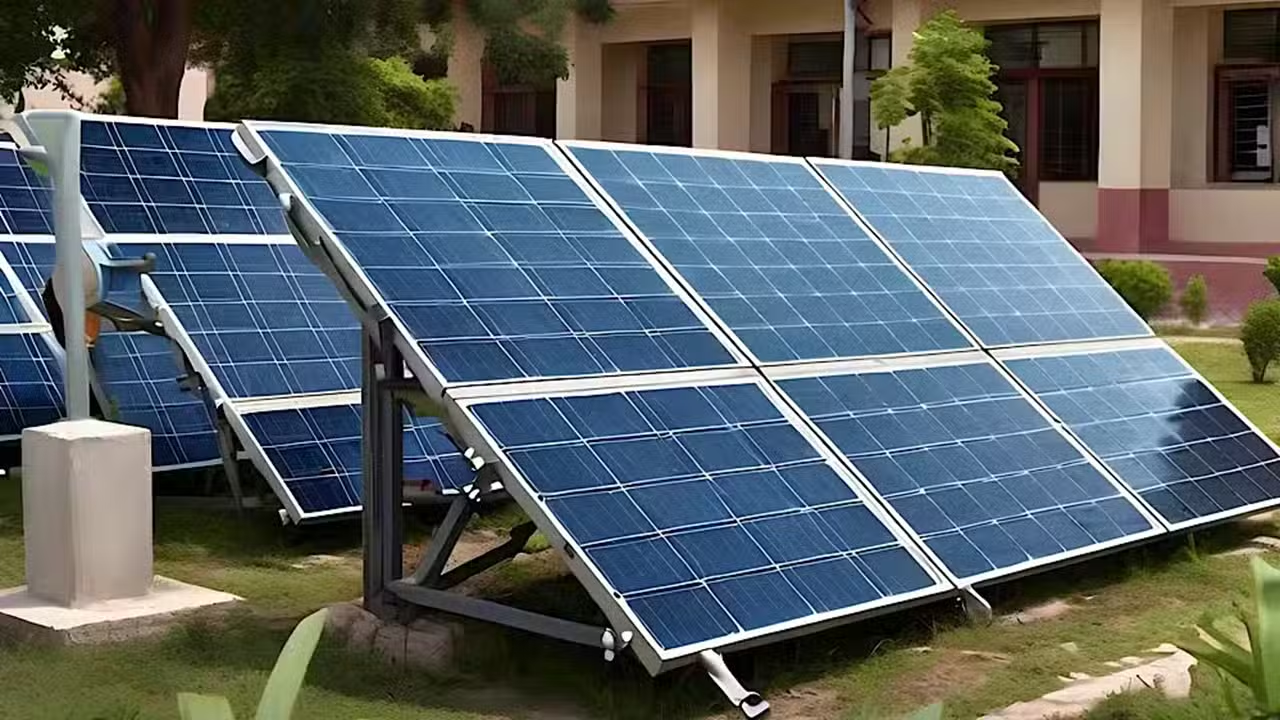
Pakistan’s transition toward renewable energy continues to accelerate, with solar power adoption reaching unprecedented levels in April 2026. New data indicates that electricity supplied through net metering has climbed to an all-time high, highlighting a growing shift away from dependence on the national power grid.
According to statistics compiled by Arif Habib Limited using data from the National Electric Power Regulatory Authority (NEPRA), the contribution of net-metered electricity to Pakistan’s overall power generation reached its highest recorded level during April 2026.
The share of net-metered generation increased by 117 basis points compared to the same period last year, reflecting the rapid expansion of rooftop solar installations across residential, commercial, and industrial sectors.
Net metering allows consumers who generate electricity through solar panels to feed excess power back into the grid while receiving credits against their electricity bills. The system has become increasingly popular in Pakistan as consumers seek protection from rising energy costs and recurring power supply challenges.
The latest figures underscore the growing role of distributed renewable energy in the country’s power landscape. Households and businesses are increasingly investing in solar systems to reduce monthly electricity expenses and gain greater control over their energy consumption.
Industry experts believe the trend is being driven by a combination of factors, including higher grid electricity tariffs, improved availability of solar technology, and increasing awareness about renewable energy solutions. As solar panel prices become more competitive, adoption rates have continued to rise across the country.
The expansion of net metering is also contributing to a noticeable decline in demand from the national grid. With more consumers generating their own electricity, utility companies are witnessing changes in consumption patterns that could reshape Pakistan’s energy sector in the coming years.
Energy analysts note that the growing popularity of solar power presents both opportunities and challenges. On one hand, increased renewable energy adoption can help reduce pressure on the national power system and lower dependence on imported fuels. On the other hand, regulators and power distribution companies may need to adapt policies and infrastructure to accommodate the evolving energy mix.
The record-breaking growth in net-metered electricity reflects broader global trends toward cleaner and more decentralized energy systems. Pakistan appears to be following a similar path as consumers increasingly embrace solar technology to meet their energy needs.
As investment in renewable energy continues to expand, experts expect solar power to play an even larger role in Pakistan’s electricity sector. The latest NEPRA data suggests that the country’s solar revolution is far from slowing down and may continue transforming the way electricity is generated and consumed in the years ahead.