 By Digital Spartans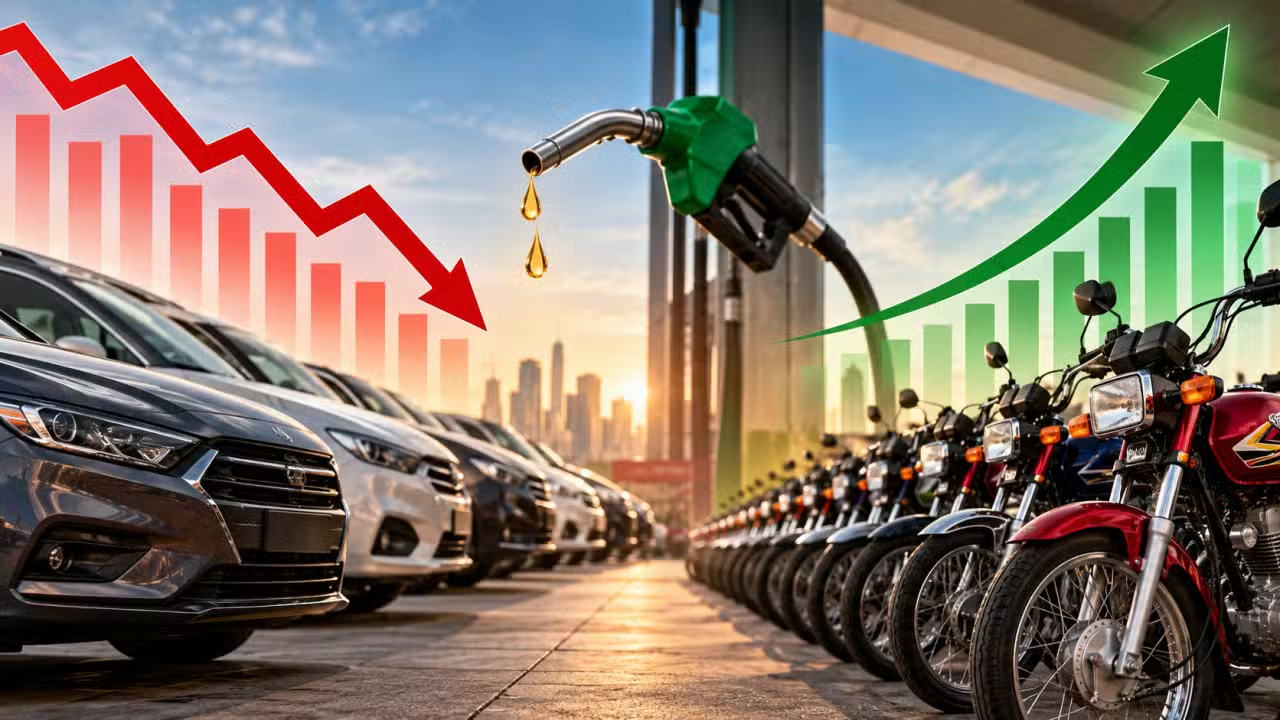
Pakistan’s motorcycle and three-wheeler market reached a historic milestone in September 2026, with combined sales climbing to a record 202,502 units. The latest figures highlight strong demand for affordable transportation, even as the country’s passenger car market experienced a monthly decline.
According to Topline Securities, bike and three-wheeler sales increased by 27 percent year-on-year (YoY) and 14 percent month-on-month (MoM) in September. The sharp rise reflects the continued importance of motorcycles and rickshaws in Pakistan’s daily transport and economic activities.
For millions of Pakistanis, motorcycles remain a practical choice because of their relatively lower purchase costs, fuel consumption and maintenance expenses compared with cars. Three-wheelers also serve as a key source of transportation and income for drivers, particularly in busy urban areas.
The record sales figure suggests that demand for two-wheelers and three-wheelers remains resilient despite financial pressures on households. These vehicles are widely used by commuters, small business owners, delivery workers and people who depend on affordable transport for their livelihoods.
In contrast, Pakistan’s car market recorded a decline during the same month. Passenger car sales fell 12 percent year-on-year to 15,104 units in September 2026, according to the report. On a monthly basis, car sales also dropped by 3 percent.
Despite the September slowdown, the broader performance of the automobile sector remained positive during the opening quarter of fiscal year 2027. Cumulative car sales reached 50,480 units in the first quarter, representing a 19 percent increase compared with the corresponding period last year.
The contrasting figures point to different trends within Pakistan’s automotive industry. While motorcycles and three-wheelers are experiencing strong growth, car sales continue to face a more challenging monthly environment.
Affordability remains an important factor in vehicle purchasing decisions. Motorcycles and rickshaws generally require a lower initial investment than passenger cars, making them more accessible to consumers with limited budgets. Their role in public transport, ride-hailing, deliveries and small-scale commercial activity also supports demand.
Meanwhile, car sales can be influenced by vehicle prices, financing costs, household purchasing power and broader economic conditions. Although quarterly car sales have improved on a yearly basis, the latest monthly decline indicates that the market’s recovery may not be consistent across every period.
The September performance is an important development for manufacturers, dealers and businesses connected to Pakistan’s automotive sector. Sustained demand for motorcycles and three-wheelers could support production, dealership activity and related services, including spare parts, repairs and maintenance.
However, the available figures do not establish a single reason behind the increase in bike and rickshaw sales or the decline in car sales. Further industry data would be needed to determine how factors such as prices, consumer demand and financing conditions contributed to the results.
Overall, Pakistan’s two-wheeler and three-wheeler market delivered a record performance in September 2026, while passenger car sales registered a monthly decline. With bike and rickshaw sales reaching 202,502 units and first-quarter car sales rising 19 percent year-on-year, the latest data presents a mixed but significant picture of the country’s automotive industry in fiscal year 2027.