 By Digital Spartans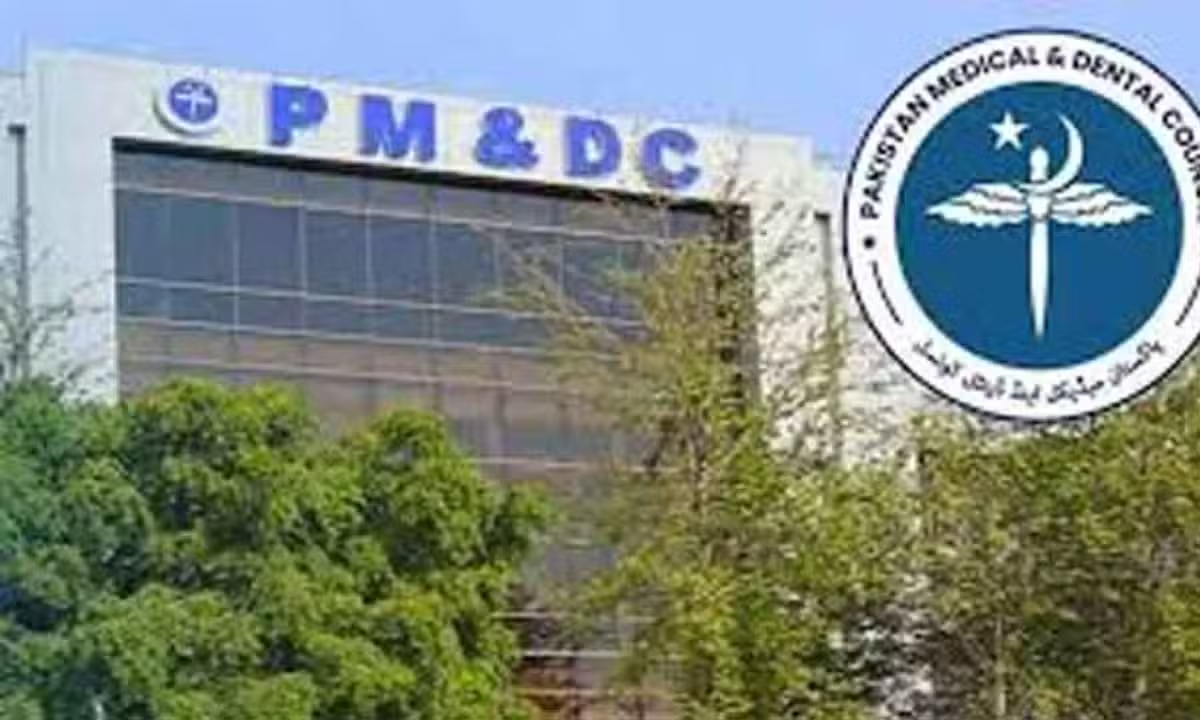
A medical tribunal has overturned disciplinary sanctions imposed on four senior forensic experts involved in the exhumation and post-mortem examination of a deceased landlord in Sindh, ruling that scientific uncertainty should not be equated with professional negligence.
The decision was announced on June 4 by a tribunal comprising retired justices Safdar Saleem Shahid and Azam Qambrani, along with technical member Dr Minhajus Siraj.
The ruling is being viewed as a significant development for Pakistan’s medical and forensic community, as it clarifies the boundaries of professional liability in forensic medicine. The tribunal emphasized that differing scientific interpretations or uncertainties in complex forensic cases cannot automatically be considered evidence of misconduct or negligence.
The case originated from disciplinary proceedings initiated by the former Pakistan Medical Commission, now known as the Pakistan Medical and Dental Council (PMDC). The action targeted members of a special medical board established by the Sindh government to conduct the exhumation and post-mortem examination of a deceased landlord.
The forensic experts had faced severe professional penalties, including a five-year suspension, over their findings and conclusions in the case. However, the tribunal concluded that the disciplinary measures were not justified under the circumstances and ruled in favor of the medical professionals.
Legal and medical observers believe the judgment sets an important precedent for future disciplinary proceedings involving scientific and medical opinions. The decision reinforces the principle that forensic conclusions often involve professional judgment and interpretation, particularly when evidence is incomplete or subject to differing expert assessments.
Experts note that the ruling could have broader implications for how regulatory bodies assess accountability in specialized medical fields. It highlights the need to distinguish between genuine professional misconduct and scientific disagreement, ensuring that experts can perform their duties without fear of unwarranted disciplinary action.
The judgment is expected to be closely studied by medical practitioners, legal professionals, and regulatory authorities as it contributes to the evolving framework governing forensic medicine and professional responsibility in Pakistan.