 By webdesk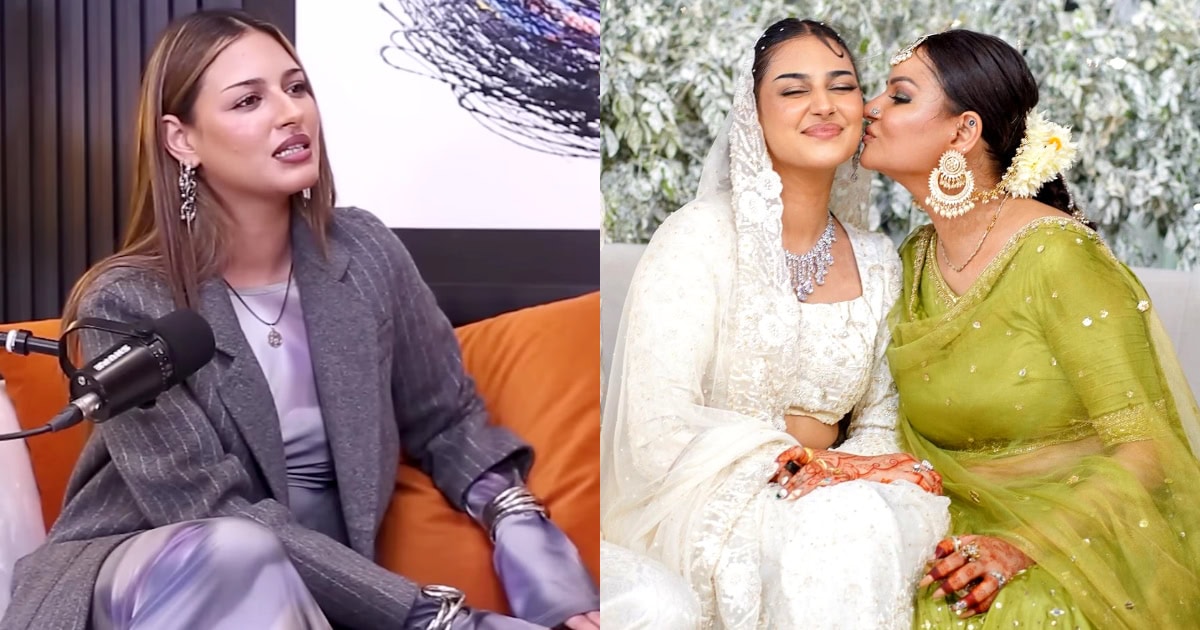
Rising Star Defends Her Language Preference
Anzela Abbasi, the daughter of renowned actors Juvairia Abbasi and Shamoon Abbasi, has carved her own path in the entertainment industry, transitioning from acting to music. Known for her unfiltered opinions, she recently sparked controversy during an appearance on the FHM Podcast, where she addressed criticism about her preference for speaking English.
Anzela explained that while she has worked in Urdu dramas, she primarily communicates in English in her daily life. She argued that being fluent in English should be seen as a sign of education and progressiveness rather than something to criticize. “People should appreciate that someone in their country can speak good English,” she said, adding that while she doesn’t shame others for not knowing the language, they should at least try to understand basic English words.
Social Media Reacts to Her Statements
Her remarks quickly drew backlash online, with many users accusing her of elitism and outdated thinking. Critics argued that equating English fluency with progressiveness reflects a colonial mindset, pointing out that many developed nations thrive without prioritizing English.
One user commented, “She is such a modern girl but has a 90s mentality where people linked education to a good English accent.” Another wrote, “When did speaking English become progressive? Most developed countries don’t speak English and aren’t ashamed of it.” Some even labeled her perspective as a “slave mentality,” suggesting that she undervalues her native language.
Anzela’s Unapologetic Stance on Criticism
Despite the backlash, Anzela has remained firm in her views, refusing to conform to societal expectations. Her bold statements highlight the ongoing debate in Pakistan about language, class, and cultural identity—where English is often associated with privilege, while Urdu remains the language of the masses.
As the discussion continues, Anzela’s comments have reignited conversations about linguistic pride, elitism, and the definition of progressiveness in modern society.