 By Digital Spartans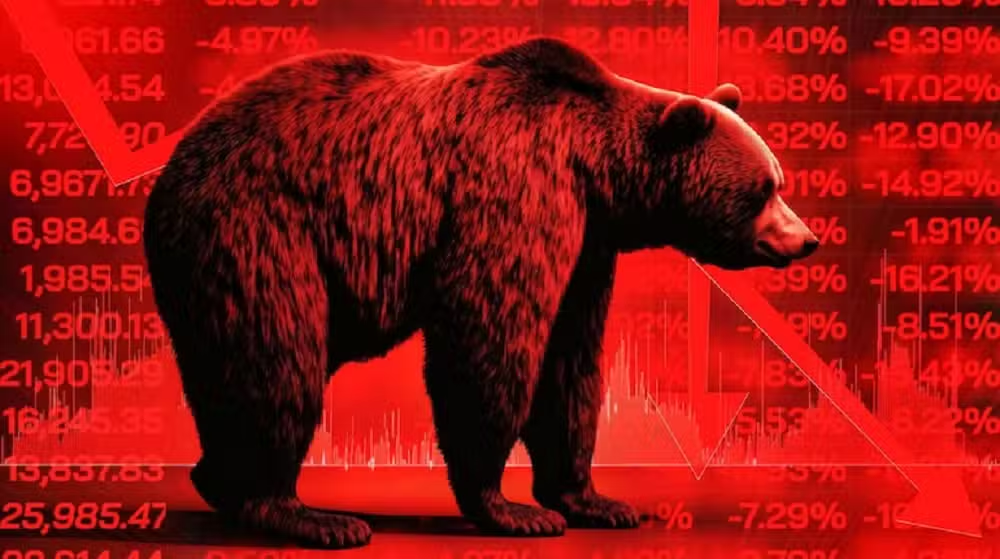
Pakistan’s stock market witnessed a historic “Black Monday” as the benchmark KSE-100 Index recorded its largest single-day points decline ever, plunging amid escalating tensions in the Middle East.
The 100-Index of the Pakistan Stock Exchange (PSX) dropped by a staggering 16,089 points, or 9.57 percent, closing at 151,972 points, compared to 168,062 points on the previous trading day.
The sharp sell-off came after investor panic intensified following reports of an Israel-US attack on Iran last week, triggering fears of a broader regional conflict and economic fallout.
Market Reacts to Geopolitical Shock
Global markets have been on edge as geopolitical tensions in the Middle East escalated. For Pakistan, the situation carries added sensitivity due to its economic vulnerabilities, reliance on energy imports, and fragile investor confidence.
Analysts said the heavy decline reflected widespread panic selling, margin calls, and risk-off sentiment across sectors. Energy, banking, cement, and technology stocks all faced steep losses as investors rushed to exit positions.
The 9.57 percent drop marks one of the steepest percentage declines in PSX history, underscoring the intensity of market reaction.
Trading Volume and Market Activity
Despite the massive fall, trading activity remained strong. A total of 479.7 million shares were traded during the session, while the total value of shares stood at approximately Rs. 44.978 billion at close.
Market watchers noted that high volumes during a sharp decline often signal forced liquidations and institutional sell-offs.
Broader Economic Concerns
Investors fear that a prolonged Middle East conflict could disrupt global oil supplies, push crude prices higher, and widen Pakistan’s current account deficit. Rising energy costs could further strain inflation and currency stability.
The sell-off also reflects broader uncertainty around global markets, as emerging economies tend to face sharper capital outflows during geopolitical crises.
What Happens Next?
Market analysts say the coming sessions will be critical in determining whether the crash was an overreaction or the beginning of a sustained correction.
Stability in global oil prices and clarity on geopolitical developments will likely dictate investor sentiment. In the short term, volatility is expected to remain elevated as traders respond to international headlines and risk assessments.