 By Digital Spartans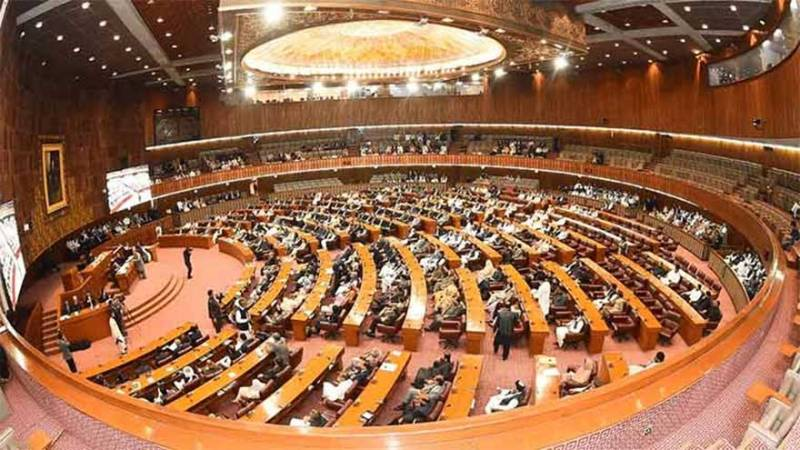
The federal government is preparing to summon a joint session of parliament, likely to be held on Tuesday, December 2, 2025, in Islamabad. According to reports from 24NewsHD TV, the session is expected to feature the introduction of important legislative measures, with the government aiming to secure their passage through both houses.
This upcoming joint sitting comes at a time of heightened political activity and follows a series of significant legislative developments in recent weeks. On November 12, 2025, the National Assembly passed the 27th Constitutional Amendment Bill during a high-tension session attended by key political leaders including Prime Minister Shehbaz Sharif, PML-N President Nawaz Sharif and PPP Chairman Bilawal Bhutto-Zardari.
The bill, presented by Law Minister Azam Nazeer Tarar, saw robust debate and was approved through a two-stage voting process consisting of division voting and clause-by-clause approval. The National Assembly Speaker Ayaz Sadiq announced that the bill secured 234 votes in favour, with only four lawmakers opposing it.
Following its passage in the lower house, the bill has now been referred to the Senate for further debate. Under parliamentary procedure, new amendments must undergo detailed discussion in the upper house before any final approval. Once the Senate completes its deliberations and passes the updated version, the legislation can move forward for enactment.
The decision to call a joint session is being viewed by analysts as an effort to maintain momentum on legislative priorities, especially in areas where the coalition government seeks broad parliamentary endorsement. Joint sittings allow the government to present bills that require approval from both the National Assembly and Senate, ensuring continuity even when the upper house is required to revisit earlier clauses.
Political observers note that the December 2 session may also serve as a platform to demonstrate parliamentary unity following recent political disagreements. The presence of major political leaders during earlier sessions suggests that the government aims to project stability and consensus at a time when national decision-making is under heightened public scrutiny.
With the government expected to table additional legislation during the joint sitting, the session may hold significant implications for upcoming policy directions. Details on the new legislative items are anticipated as the date approaches.