 By Digital Spartans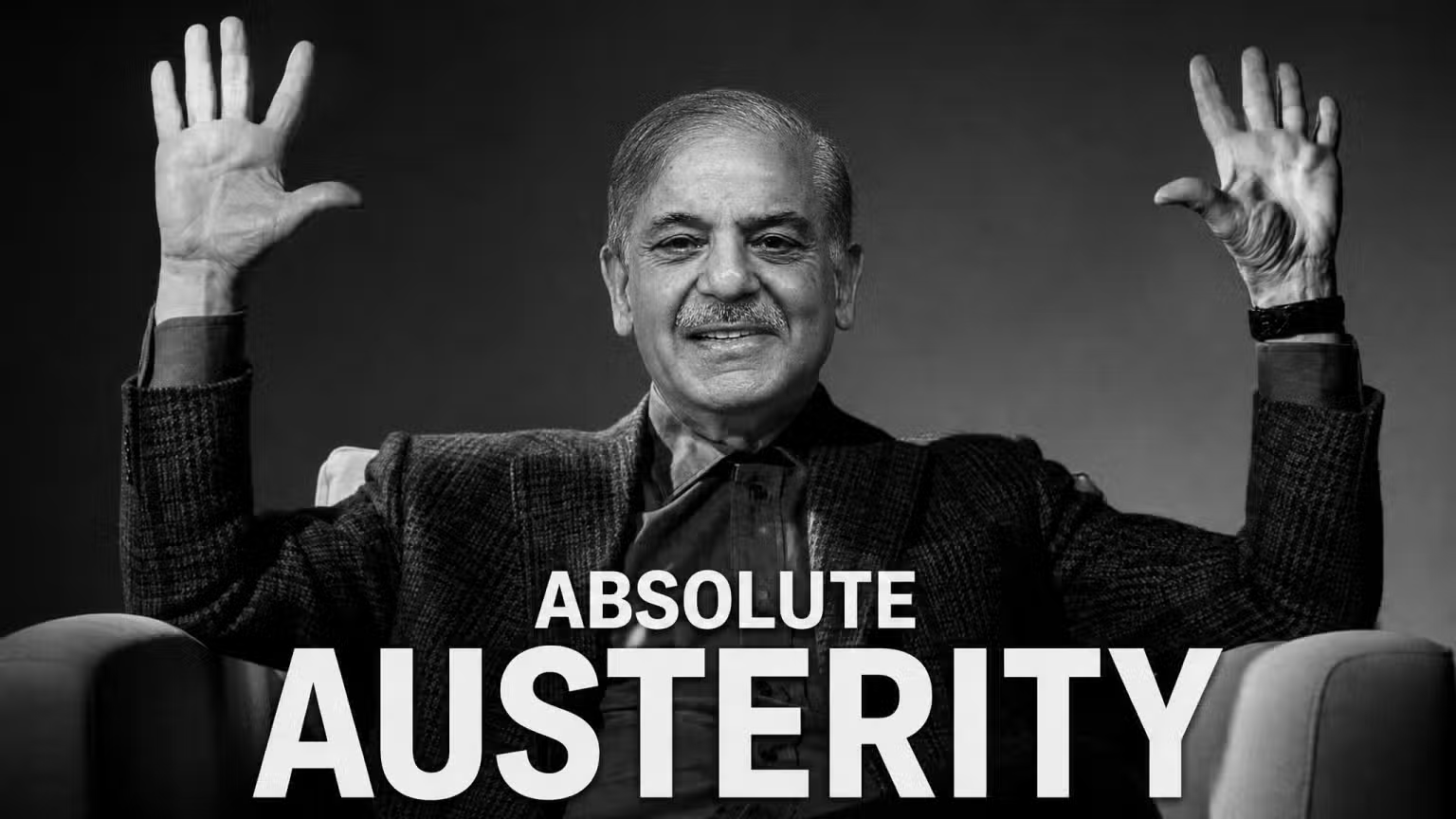
The federal government has introduced a fresh package of austerity and fuel conservation measures as Pakistan responds to higher international petroleum prices and economic pressures linked to tensions in the Middle East.
Under the new measures, fuel allocation for official government vehicles has been reduced by 50 percent for a period of three months. The decision was approved by Prime Minister Shehbaz Sharif during a meeting on austerity and energy conservation in Islamabad.
The Cabinet Division has also imposed a three-month ban on official foreign visits and travel. The restriction applies even to obligatory visits, although specific exemptions have been provided for certain scholarships, training programmes and institutional arrangements.
In cases where foreign travel is considered unavoidable, ministers, advisers, ministers of state, special assistants to the prime minister, parliamentarians and government officials will be required to travel in economy class.
The government has also directed ministries and departments to make greater use of video and teleconferencing for official meetings. The move is intended to reduce travel-related expenditure and conserve public resources.
The latest austerity package includes additional restrictions beyond fuel consumption and overseas travel. The government has approved a 5% reduction in the Non-ERE budget for the current fiscal year, with the cuts to be implemented on a monthly basis.
A complete ban has also been placed on the purchase of new government vehicles of all types. The purchase of durable goods has similarly been restricted, with IT-related procurement exempted from the measure.
Official dinners have also been restricted, with exceptions for events hosted in honour of visiting foreign delegations. Government-funded seminars, training sessions and conferences have also been prohibited unless they are considered unavoidable.
The measures extend to other areas of government spending as well. Federal authorities have been instructed to reduce unnecessary expenditure and make more prudent use of national resources.
The government said the fuel conservation campaign has been introduced amid rising international petroleum prices and regional tensions. Radio Pakistan reported that the prime minister approved the measures with instructions for immediate implementation.
The fuel reduction does not apply uniformly to every government vehicle. Operational vehicles belonging to the armed forces, civil armed forces, law enforcement agencies, essential services and certain FBR operations have been exempted, while administrative and non-operational formations remain subject to the restrictions.
The government has also retained existing restrictions on business and market timings. Shops, markets, shopping malls, bazaars and general stores are required to close by 9pm, while marriage halls and similar venues have a 10pm closing time and restaurants and food outlets can operate until 11pm, subject to the stated exemptions.
The new measures come as global energy markets face disruption linked to the wider regional situation. Reuters reported that Pakistan introduced the austerity measures in response to increased global fuel prices and concerns about the economic impact of the regional conflict.
Meanwhile, Prime Minister Shehbaz Sharif has travelled to the United Kingdom and is expected to proceed to the United States after spending several days in Britain, according to the report provided for this story.
The three-month foreign travel restriction applies to government officials rather than representing a general ban on international travel for Pakistani citizens.
The government has also asked provincial and regional administrations to consider adopting similar fuel conservation and austerity measures.
A committee responsible for monitoring the implementation of the measures will collect reports from ministries, departments, public-sector organizations and other government bodies and submit progress reports to the prime minister.
The latest package therefore combines fuel conservation, spending reductions, restrictions on government procurement and limits on official overseas travel as the federal government seeks to manage public expenditure during a period of elevated energy costs.