 By Digital Spartans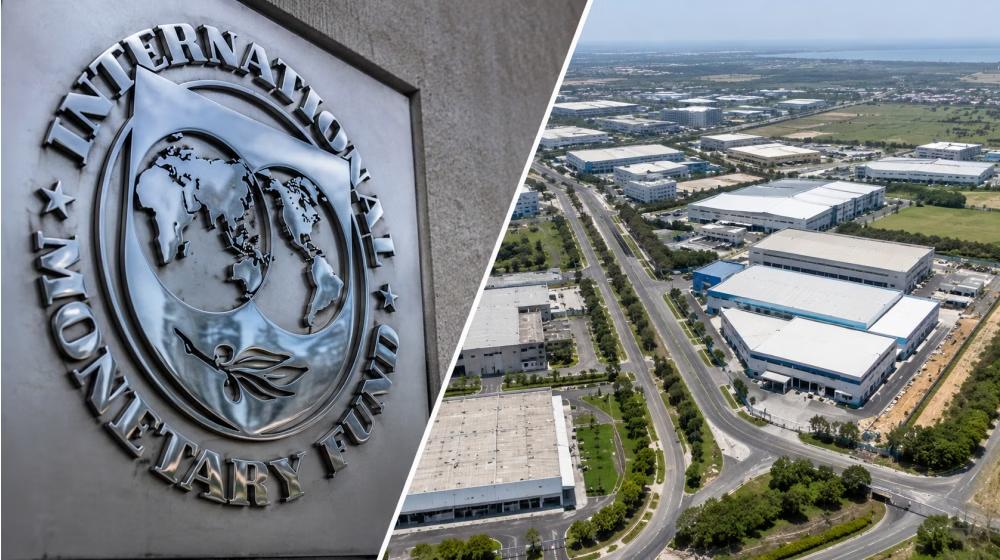
Pakistan is set to implement a major policy change for its Export Processing Zones (EPZs) after commitments made to the International Monetary Fund (IMF). Beginning in September 2026, factories operating within EPZs will no longer be allowed to sell any portion of their products in the local market, requiring them to export 100 percent of their production.
The move marks a significant shift in Pakistan’s export policy and is aimed at aligning the country’s industrial framework with commitments agreed under the IMF program. Officials believe the change will reinforce the original purpose of Export Processing Zones, which is to boost exports, attract foreign investment, and generate foreign exchange earnings.
Under the existing policy, companies operating in EPZs were permitted to sell up to 20 percent of their manufactured goods within Pakistan’s domestic market. This concession allowed businesses to diversify their revenue streams while maintaining an export-oriented business model.
However, according to Finance Ministry documents, this facility will be withdrawn from September 2026. Once the new policy takes effect, all EPZ-based manufacturers will be required to export their entire production, eliminating domestic sales altogether.
The Finance Ministry revealed that Pakistan had requested the IMF to retain the existing 20 percent local sales allowance, arguing that it would provide flexibility to exporters and support industrial growth. However, the IMF rejected the proposal, insisting on the complete removal of the concession as part of the country’s economic reform commitments.
In addition to seeking the continuation of local sales, the government also requested permission to establish additional Export Processing Zones across Pakistan. The proposal was intended to expand export-oriented industrial activity and attract more domestic and foreign investment.
The IMF, however, declined this request as well, indicating that the priority remains improving the performance and compliance of existing export zones before considering further expansion.
Export Processing Zones have long played a key role in Pakistan’s industrial and trade strategy by offering businesses tax incentives, customs exemptions, and other benefits in exchange for focusing on exports. The latest policy change is expected to strengthen this export-only model while ensuring that EPZ incentives are used exclusively to promote international trade.
Economic analysts believe the decision could have mixed implications for manufacturers. Companies that previously relied on domestic sales to supplement export revenue may need to adjust their production strategies and identify new international markets. At the same time, the policy could encourage greater export competitiveness and help Pakistan increase its foreign exchange earnings over the long term.
The government’s compliance with IMF conditions also reflects its broader commitment to implementing structural economic reforms aimed at improving fiscal discipline, strengthening exports, and supporting macroeconomic stability.
As the September 2026 implementation deadline approaches, businesses operating in Export Processing Zones are expected to review their operations and prepare for the transition to a fully export-focused production model. Industry stakeholders will be closely monitoring how the policy affects manufacturing, investment, and Pakistan’s overall export performance in the coming years.