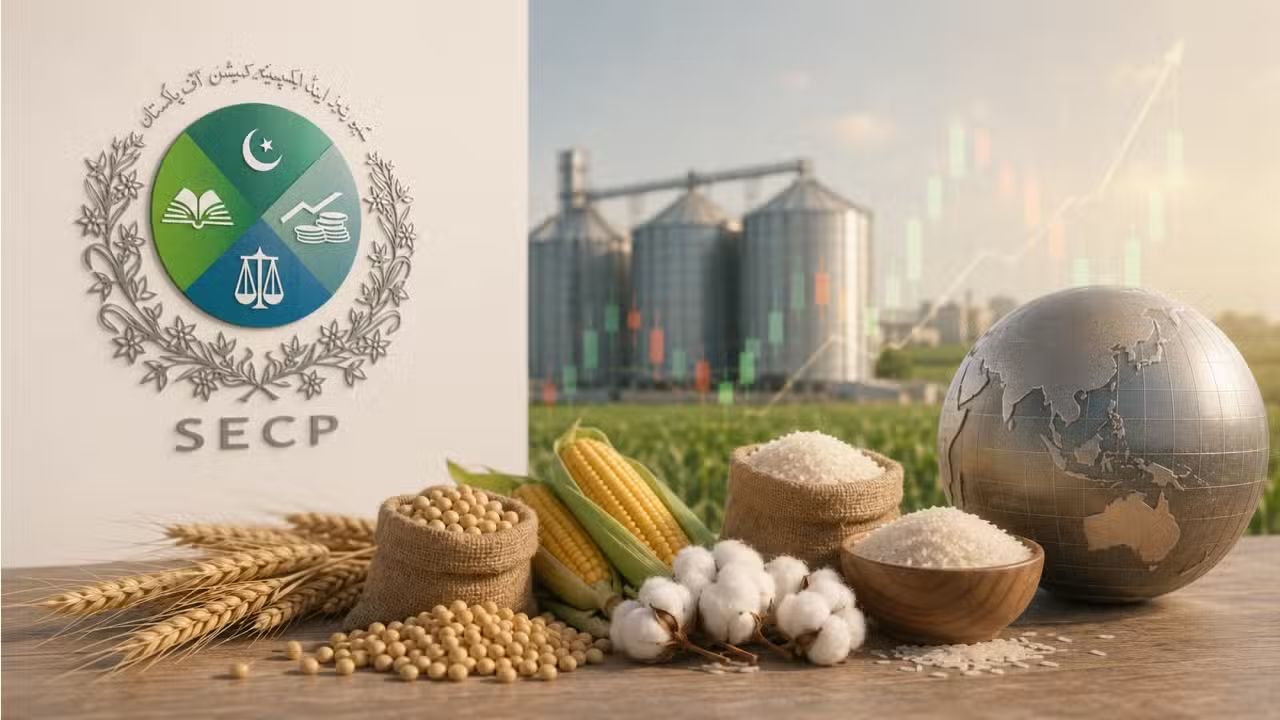
In a significant step toward modernizing Pakistan’s agricultural markets, the Securities and Exchange Commission of Pakistan (SECP) has instructed the Pakistan Mercantile Exchange (PMEX) to formulate a comprehensive roadmap for introducing physically deliverable agricultural futures contracts.
The initiative is aimed at creating a more transparent and efficient commodity trading environment while improving price discovery mechanisms for farmers across the country. By enabling better access to market information and trading opportunities, the proposed framework seeks to strengthen the agricultural value chain and enhance farmer profitability.
SECP Chairman Dr. Kabir Ahmed Sidhu issued the directive during a meeting with PMEX’s board members and senior management. He emphasized the importance of developing a practical and implementable strategy that can support the growth of Pakistan’s agriculture sector through modern financial and trading tools.
A key component of the proposed system is the integration of an Electronic Warehouse Receipt (EWR) framework. The system would provide real-time connectivity between warehouses and the exchange, ensuring seamless tracking, verification, and trading of agricultural commodities.
Under the proposed model, agricultural futures contracts would be backed by physical commodity delivery, allowing farmers, traders, processors, and buyers to participate in a more structured marketplace. This approach is expected to reduce inefficiencies, improve transparency, and minimize price manipulation within the agricultural trading ecosystem.
The introduction of electronic warehouse receipts could also provide farmers with greater flexibility in managing their produce. By securely storing crops in certified warehouses and receiving digital receipts, farmers may be able to access formal markets more efficiently while benefiting from fair and transparent pricing mechanisms.
Industry experts believe that physically deliverable futures contracts can play a crucial role in strengthening commodity markets by offering accurate price signals and reducing uncertainty for market participants. Such systems are widely used in international commodity exchanges to improve market efficiency and support informed decision-making.
Dr. Sidhu highlighted that the development of modern commodity trading infrastructure is essential for creating competitive agricultural markets. He noted that enhanced connectivity between warehouses and trading platforms would help establish greater trust among stakeholders while improving operational efficiency.
The proposed reforms align with broader efforts to digitize Pakistan’s financial and agricultural sectors. By leveraging technology-driven solutions, regulators aim to provide farmers with better market access, increase transparency, and encourage greater participation in organized commodity trading.
If successfully implemented, the new framework could transform how agricultural commodities are traded in Pakistan, enabling farmers to connect more directly with buyers while benefiting from improved price discovery and a more reliable trading environment.