 By Digital Spartans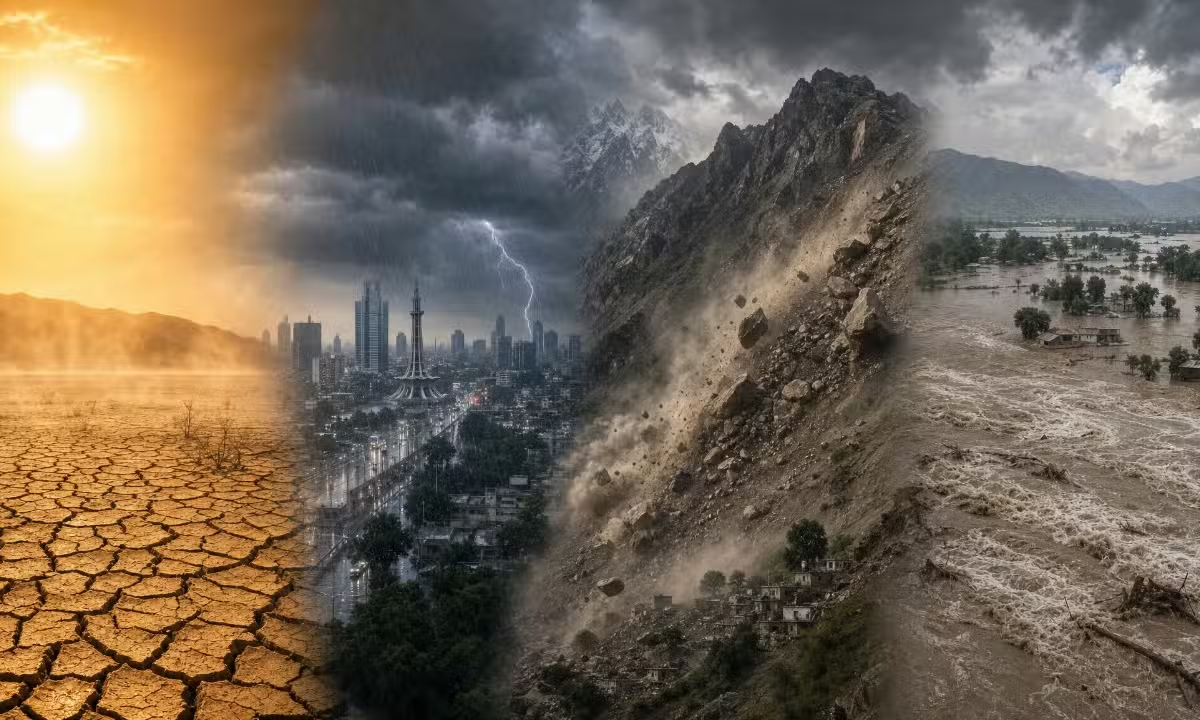
The Pakistan Meteorological Department (PMD) has issued its seasonal weather outlook for the July to September period, forecasting above-average temperatures across large parts of the country while warning of an increased risk of heatwaves, flooding, landslides, and accelerated glacier melting.
According to the latest forecast, several regions are expected to experience hotter-than-normal conditions during the coming months. The PMD has advised authorities and the public to remain vigilant as rising temperatures and monsoon activity could increase the likelihood of weather-related emergencies.
The seasonal outlook indicates that Balochistan, Punjab, and southern Khyber Pakhtunkhwa are expected to record temperatures above the long-term average. Prolonged periods of extreme heat in these regions could elevate the risk of heat-related illnesses, increase pressure on water resources, and affect agriculture and livestock.
Meanwhile, northern parts of the country are likely to receive normal to slightly above-normal rainfall. Gilgit-Baltistan, Azad Jammu and Kashmir (AJK), and northern Khyber Pakhtunkhwa are expected to experience increased precipitation during the monsoon season, raising concerns over flash floods, river flooding, and landslides in vulnerable mountainous areas.
The PMD has also highlighted the possibility of accelerated glacier melt due to sustained high temperatures. Combined with heavy rainfall, faster glacier melting could increase water flows in rivers and streams, heightening the risk of glacial lake outburst floods (GLOFs) and downstream flooding in northern regions.
Weather experts have urged provincial and local authorities to strengthen disaster preparedness measures ahead of the peak monsoon season. Timely monitoring of rivers, drainage systems, and landslide-prone areas will be essential to reducing the impact of potential weather emergencies.
Residents living in flood-prone and mountainous regions have been advised to stay updated with official weather forecasts and follow safety advisories issued by the relevant authorities. People are also encouraged to avoid unnecessary travel during periods of heavy rainfall and remain cautious near rivers, streams, and unstable slopes.
In areas expected to experience extreme heat, health experts recommend limiting outdoor activities during the hottest hours of the day, drinking plenty of water, wearing lightweight clothing, and taking precautions to prevent heat exhaustion and heatstroke. Children, older adults, and individuals with underlying medical conditions should exercise extra care during prolonged hot weather.
The PMD’s latest seasonal outlook highlights the increasing challenges posed by changing weather patterns and climate variability across Pakistan. With both extreme heat and heavy rainfall expected over the coming months, preparedness and timely response will play a crucial role in protecting lives, infrastructure, and livelihoods.
As the country enters the peak monsoon season, citizens are encouraged to closely monitor official weather updates and follow precautionary measures to minimize the risks associated with heatwaves, flooding, landslides, and other weather-related hazards.