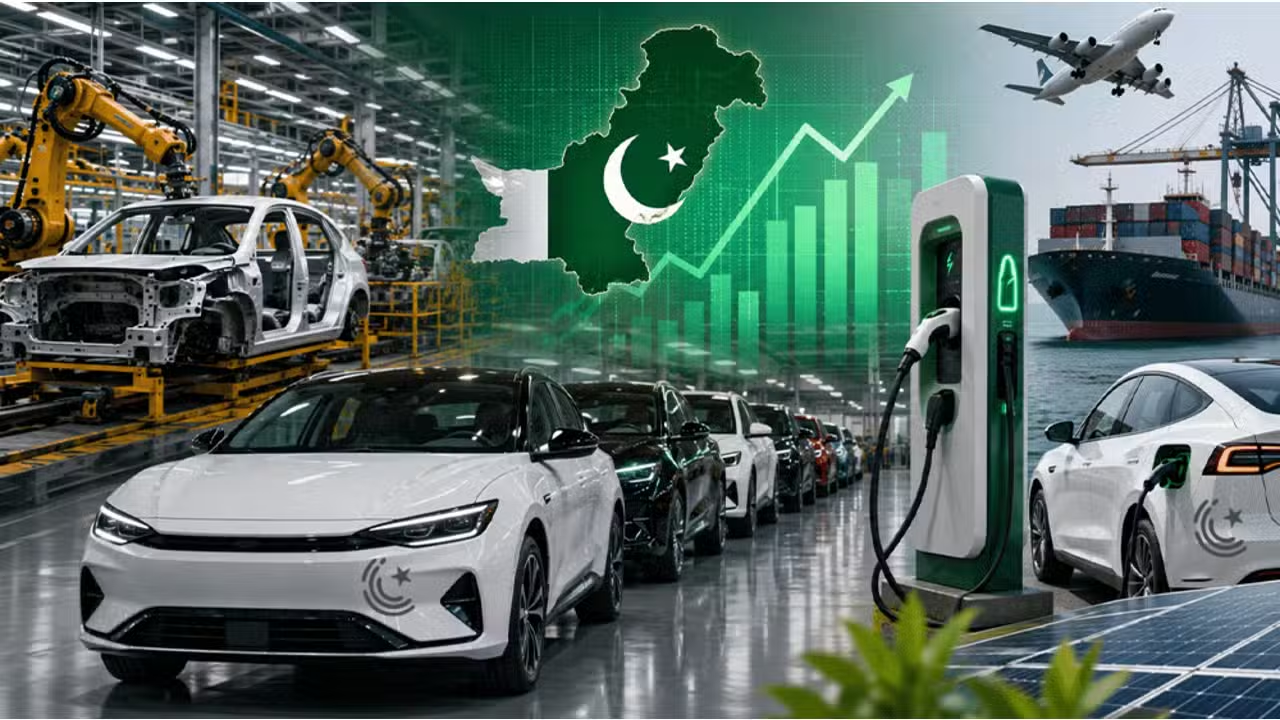
Pakistan’s proposed Auto Policy 2026–31 outlines a revised sales tax structure for different categories of vehicles, including battery electric vehicles, range-extended electric vehicles, plug-in hybrids, conventional hybrids and petrol-powered cars. The proposed changes could influence vehicle prices, consumer choices and the future direction of the country’s automotive industry.
The draft policy introduces different tax treatments based on vehicle powertrain technology. Its broader approach aims to encourage the adoption of new energy vehicles while reviewing the taxation framework for conventional automobiles.
Battery electric vehicles (BEVs) are among the categories covered by the proposed structure. These vehicles operate using electric motors powered by rechargeable batteries and do not rely on petrol or diesel engines for propulsion. Their tax treatment could play an important role in determining how affordable electric cars become for Pakistani consumers.
Range-extended electric vehicles (REEVs) are another category addressed in the draft. These vehicles primarily use electric power for driving but include an onboard engine or generator that can produce electricity to extend their driving range. Their classification under the proposed policy may affect the cost of vehicles that combine electric driving with additional range flexibility.
Plug-in hybrid electric vehicles (PHEVs) are also included in the proposed tax framework. These cars combine an electric motor and rechargeable battery with a conventional engine, allowing drivers to use electric power for some journeys while retaining the flexibility of fuel-powered travel.
Conventional hybrid vehicles form a separate category. Unlike plug-in hybrids, these vehicles generally recharge their batteries through the engine and regenerative braking rather than an external charging connection. Their treatment under the proposed policy could influence the relative appeal of different hybrid technologies in Pakistan.
Petrol-powered vehicles are also covered by the draft sales tax structure. Changes to their tax treatment could affect the overall price of new cars, depending on the final rates adopted and how the applicable taxes are calculated.
The proposed differentiation between powertrain technologies reflects a broader effort to shape consumer demand through fiscal policy. Lower taxes on certain new energy vehicles, if included in the final framework, could make them more competitive against conventional cars. However, the actual effect would depend on the rates approved by the government and the prices set by manufacturers and importers.
Pakistan’s transition towards electric mobility also depends on factors beyond taxation. Charging infrastructure, electricity costs, vehicle availability, battery replacement expenses and after-sales services can all influence whether consumers choose electric or hybrid vehicles.
For automakers, a revised tax structure could affect product planning, investment decisions and the types of vehicles introduced to the local market. Manufacturers may assess the proposed incentives and tax differences when deciding whether to expand electric and hybrid vehicle offerings or maintain a stronger focus on petrol-powered models.
Consumers considering a new car should distinguish between proposed policy measures and tax rates that are already legally in force. A draft policy does not automatically establish new tax obligations, and the final impact on vehicle prices will depend on official approval, implementation rules and any accompanying changes to existing tax laws.
The Auto Policy 2026–31 could therefore become an important development for Pakistan’s automotive sector, particularly as electric and hybrid technologies gain attention. Its final structure will help determine how the government balances the promotion of cleaner transport technologies with the taxation of conventional vehicles.
For now, the available information confirms that the draft proposes different sales tax treatments for several vehicle categories, but it does not provide the specific percentage rates for each type. The exact financial impact on buyers cannot be calculated until the detailed rates and final policy provisions are verified through an official government document.