Pakistan has faced difficulties in turning billions of dollars in international flood assistance into completed projects, with Finance Minister Muhammad Aurangzeb acknowledging that some of the support pledged after the devastating 2022 floods remains unused.
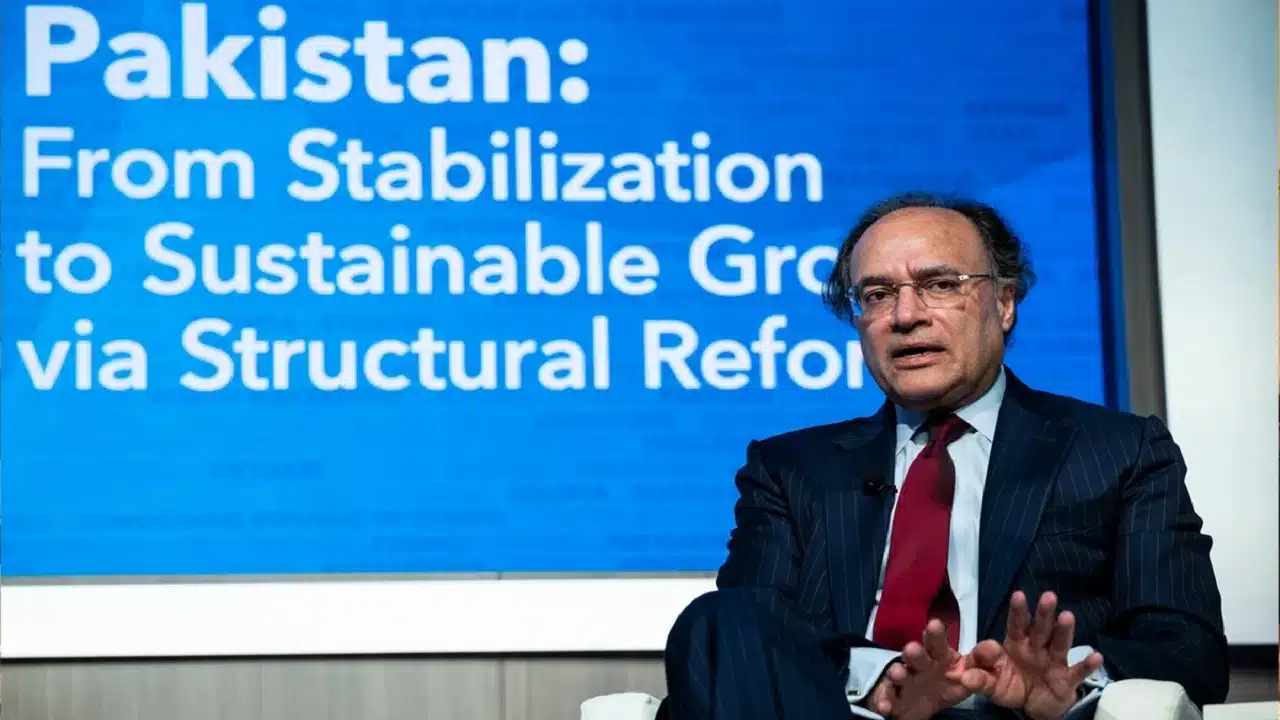
Speaking in New York, the finance minister pointed to gaps in project preparation, institutional coordination and implementation capacity as key challenges affecting the utilization of climate and disaster-related financing.
The issue highlights the difference between securing financial commitments and converting those commitments into projects that can be implemented on the ground.
Pakistan received international support following the 2022 floods, which caused widespread damage to homes, infrastructure, agriculture and livelihoods across the country. The scale of the disaster created significant requirements for reconstruction, rehabilitation and climate resilience.
However, securing pledged funding does not automatically translate into immediate spending. Projects often require detailed planning, feasibility studies, institutional approvals, procurement arrangements and implementation mechanisms before financing can be fully utilized.
Aurangzeb said Pakistan continues to face shortcomings in these areas. Strengthening the country’s ability to prepare and execute projects remains important as the government seeks additional climate financing.
The finance minister also said Pakistan had made progress in developing its climate policy framework. The government is working to create mechanisms that can help mobilize resources for climate-related projects from several domestic and international sources.
These include domestic financial resources, international financial institutions, capital markets and dedicated climate funds.
Pakistan is particularly exposed to climate-related risks, making access to climate finance an important component of its long-term economic and development planning.
The 2022 floods demonstrated the scale of this vulnerability. Large areas were affected by flooding, while damage to infrastructure, agriculture and residential areas increased the financial burden on the country.
The challenge now extends beyond obtaining international commitments. Pakistan needs to develop projects that are sufficiently prepared to meet the requirements of financing institutions and can move efficiently from approval to implementation.
Institutional coordination is another important factor. Climate and reconstruction projects can involve federal and provincial governments, international lenders, development partners and implementing agencies.
Effective coordination among these stakeholders can influence how quickly approved financial resources are converted into actual development work.
The government’s focus on strengthening project preparation therefore has implications beyond the flood recovery programme. Better institutional capacity could also help Pakistan access and utilize financing for future climate adaptation, disaster resilience and infrastructure projects.
International climate finance can come through multiple channels, each with different eligibility requirements, documentation standards and implementation conditions. Building specialized capacity within government institutions can help address these requirements.
Aurangzeb’s comments also come as Pakistan continues to seek greater access to climate-related funding at a time when developing countries are facing increasing costs from extreme weather events.
For Pakistan, improving the utilization of available assistance is particularly important because climate-related disasters can place additional pressure on public finances and development spending.
The government’s strategy is therefore focused not only on attracting new financing but also on strengthening the systems required to deploy it effectively.
The reported $11 billion in flood-related assistance represents a significant pool of international support, but the finance minister’s remarks indicate that some pledged resources have yet to translate into completed projects.
Closing gaps in project preparation, coordination and implementation could determine how effectively Pakistan converts future climate finance commitments into reconstruction and resilience initiatives.