 By webdesk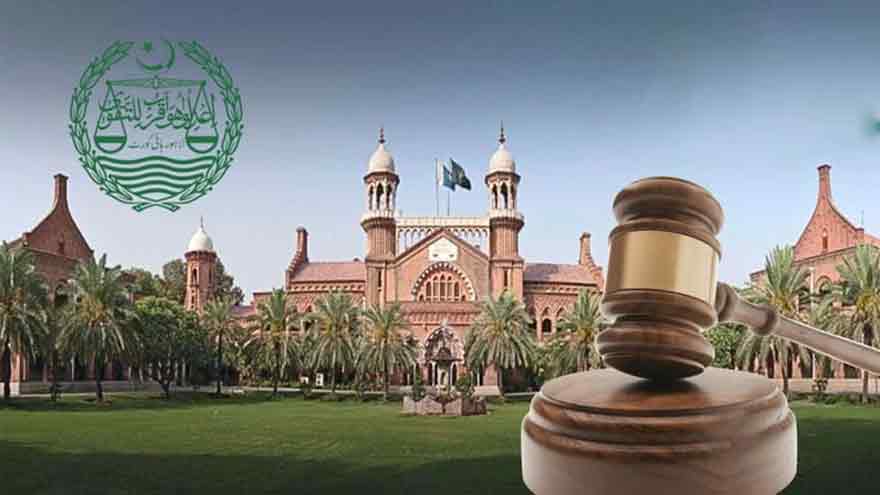
Court Overturns FIR in Partnership Dispute
The Lahore High Court (LHC) has ruled that business partnership disputes cannot be treated as criminal matters, overturning a previous decision to register a case over alleged embezzlement. Justice Tariq Saleem Sheikh issued a 14-page written verdict in response to a petition filed by Mobeen Ahmed, declaring that partnership conflicts must be resolved through civil courts rather than criminal proceedings.
Partnership Dispute Misrepresented as Embezzlement
The case originated from a complaint by a Pakistani-American citizen and retired US Army serviceman, who accused Ahmed, his former sales manager, of embezzling funds and medicines worth Rs50 million. The complainant claimed that the Station House Officer (SHO) initially ignored his complaint, prompting him to approach a Justice of Peace, who ordered an FIR.
However, Ahmed argued that he was not an employee but a 15% partner in the pharmacy business, having invested Rs500,000. He accused the complainant of concealing their partnership agreement and falsely framing him as an employee to justify criminal charges.
Court Rejects Criminalization of Business Conflicts
Justice Sheikh ruled that disputes between business partners do not constitute criminal offenses unless clear evidence of fraud or theft exists. The judgment emphasized that disagreements over joint property or financial management fall under civil jurisdiction, requiring arbitration or litigation in commercial courts rather than police intervention.
The LHC declared the FIR legally unsustainable and quashed the case, reinforcing that partnership disputes must be resolved through contractual and civil remedies instead of criminal prosecution.
Implications for Future Business Disputes
This ruling sets a significant precedent, discouraging the misuse of criminal complaints in business conflicts. It clarifies that allegations of financial mismanagement between partners should be addressed through civil suits, protecting individuals from false criminalization in commercial disagreements.