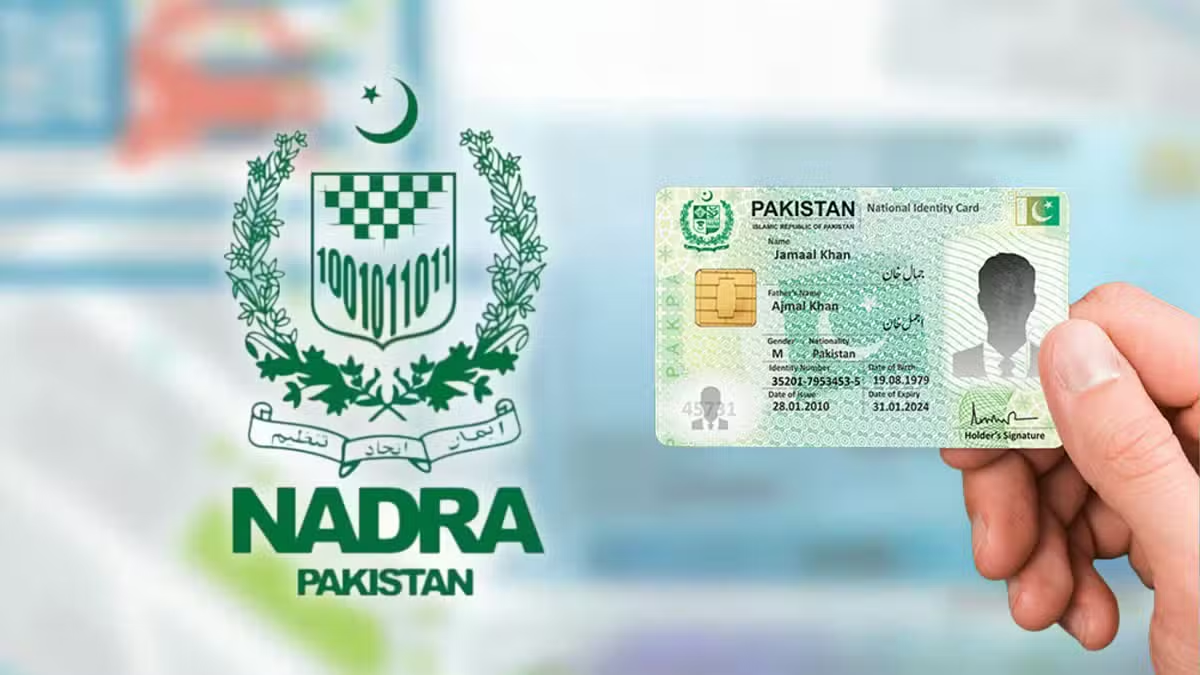
The Lahore High Court (LHC) has ruled that a citizen’s Computerized National Identity Card (CNIC) cannot be blocked as a means of enforcing a maintenance decree, declaring such action unlawful and contrary to the principles of due process.
The verdict was delivered by Justice Muzamil Akhtar Shabir while allowing a petition filed by Nasir Ali Ranjha. The court set aside a 2017 order issued by a Gujrat executing court, which had directed the National Database and Registration Authority (NADRA) to block the petitioner’s CNIC over his failure to pay maintenance to his wife and children.
The petitioner argued that the executing court had exceeded its legal authority by ordering the suspension of his CNIC. According to the petition, no law empowers a civil court to direct NADRA to block a citizen’s identity card as a method of recovering maintenance payments.
On the other hand, the respondent maintained that the measure was necessary because the petitioner had repeatedly failed to comply with the maintenance decree while residing abroad. She argued that stronger enforcement mechanisms were required to ensure the maintenance order was implemented.
After reviewing the case, the Lahore High Court concluded that blocking a CNIC is not a legally recognized method of enforcing a maintenance decree. The court observed that such an action restricts a citizen’s access to essential legal and civic rights without clear statutory authority, making it inconsistent with due process.
The ruling reinforces the principle that courts must operate within the powers granted by law and cannot impose restrictions that are not expressly authorized by legislation. While maintenance orders remain legally enforceable, the court emphasized that enforcement must be carried out through lawful procedures provided under existing legal frameworks.
Legal experts believe the judgment could serve as an important precedent in future family law and civil enforcement cases. It also clarifies the limits of judicial authority regarding the use of administrative measures involving identity documents.
The decision is expected to influence how maintenance decrees are enforced across Pakistan, ensuring that recovery efforts remain consistent with constitutional protections and established legal procedures while safeguarding the fundamental rights of citizens.