 By Digital Spartans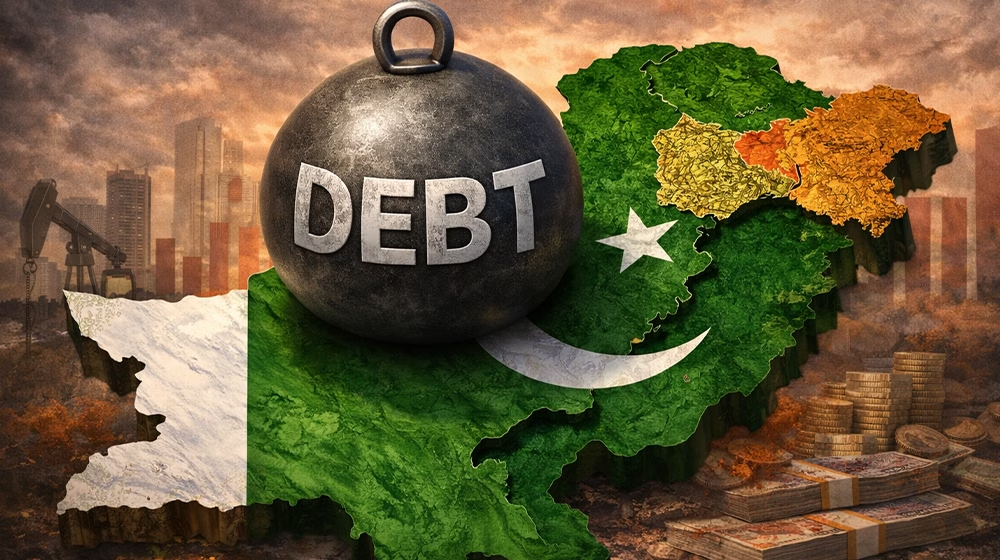
Pakistan’s government debt has recorded a sharp increase over the past decade, reaching Rs. 86.7 trillion by June 2026, according to figures released by the Ministry of Finance.
The latest data shows that government debt has risen by around 340 percent compared with the level recorded in June 2016. At that time, Pakistan’s government debt stood at approximately Rs. 19.7 trillion.
The significant rise highlights the growing financial obligations faced by the country over the last 10 years. The increase in debt has remained a major concern for policymakers as Pakistan continues to manage fiscal pressures, debt servicing requirements and economic challenges.
According to the Ministry of Finance report, government debt climbed from Rs. 19.7 trillion in June 2016 to Rs. 86.7 trillion in June 2026. This represents an increase of about Rs. 67 trillion during the decade.
The sharp growth in the debt stock reflects the accumulation of borrowing by the government over several years. Domestic and external financing needs, budgetary requirements and efforts to meet various economic obligations have contributed to the overall increase.
Pakistan’s rising debt burden also has implications for government finances. A larger debt stock generally means higher debt servicing costs, which can place additional pressure on the national budget and reduce the fiscal space available for development and public services.
The government has repeatedly faced the challenge of balancing spending requirements with revenue collection. Weak revenue growth, fiscal deficits and economic instability can increase reliance on borrowing, adding to the overall debt burden.
The figures covering the period from June 2016 to June 2026 provide a clear picture of how dramatically Pakistan’s government debt has expanded. The increase of 340 percent over 10 years has brought renewed attention to the country’s debt management strategy.
Managing the growing debt stock remains important for Pakistan’s long-term economic stability. Authorities need to focus on improving revenue collection, controlling unnecessary expenditure and strengthening economic growth to reduce pressure on public finances.
Debt itself can be used to support development and economic activity when borrowing is managed effectively. However, a rapidly expanding debt burden can create challenges when repayment and servicing costs consume a larger portion of government resources.
The latest figures are therefore likely to keep debt management, fiscal reforms and economic stability among the key issues under discussion in Pakistan’s economic policy landscape.
As Pakistan works to strengthen its economy, the government’s ability to manage borrowing while increasing revenues and supporting sustainable growth will remain closely watched. The Rs. 86.7 trillion debt figure underlines the scale of the financial challenge facing the country after a decade of substantial growth in government liabilities.