 By Digital Spartans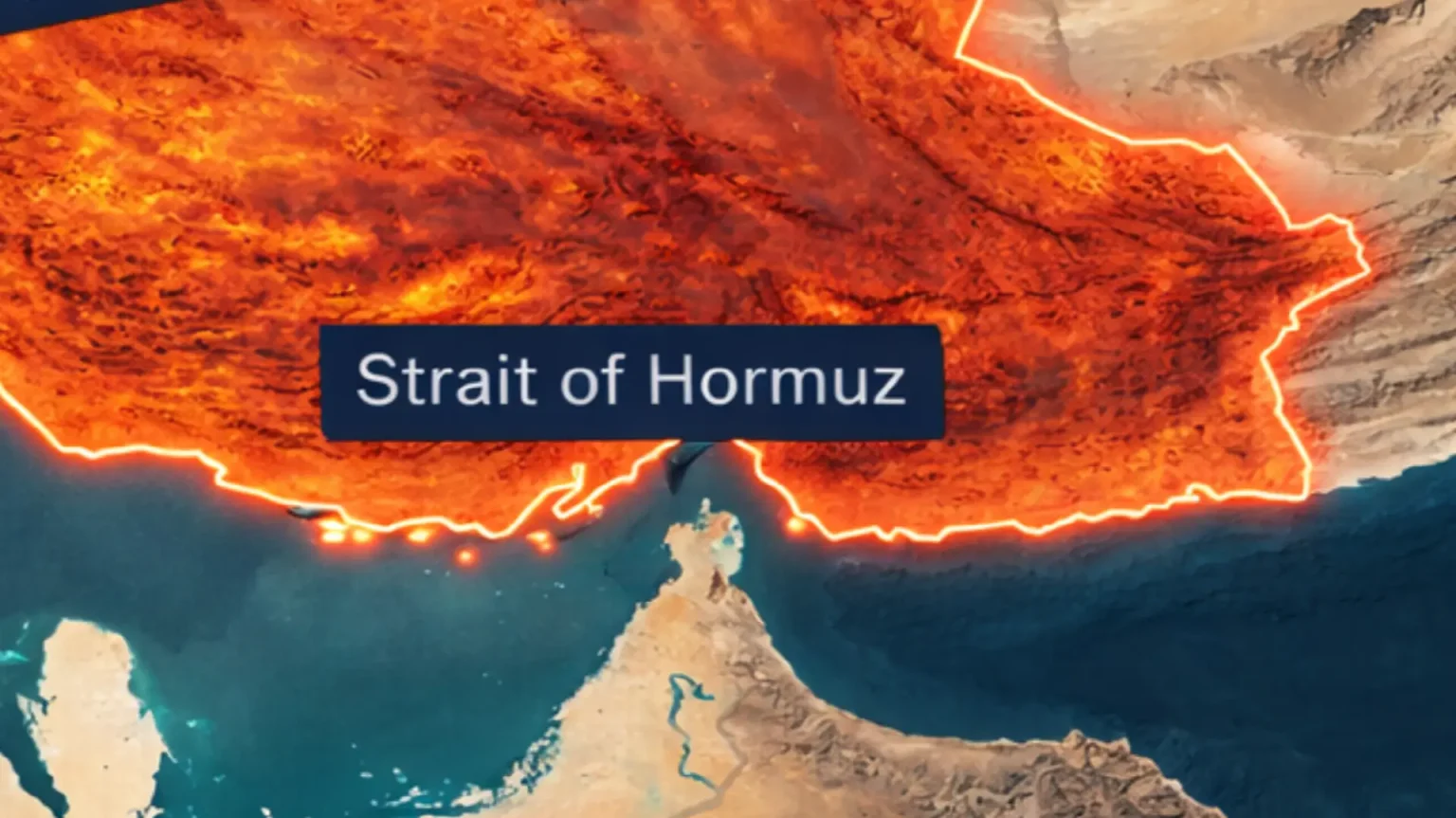
Global oil prices surged on Monday, with Brent crude rising above the $90 per barrel mark for the first time since June. The sharp increase came as escalating tensions involving the United States and Iran raised concerns over potential disruptions to oil supplies passing through the strategically important Strait of Hormuz.
At the time of reporting, Brent crude futures climbed more than 3 percent to reach as high as $90.87 per barrel. Meanwhile, US West Texas Intermediate (WTI) crude also posted strong gains, rising to approximately $84.84 per barrel.
The latest rally reflects growing uncertainty in global energy markets, where geopolitical developments continue to influence oil prices. Investors are closely monitoring the situation in the Middle East, particularly the Strait of Hormuz, a critical maritime route through which a significant portion of the world’s crude oil exports is transported.
Any threat to shipping operations in the narrow waterway has the potential to disrupt global energy supplies, leading traders to anticipate tighter market conditions. As a result, oil futures have experienced significant upward momentum over the past week.
Both Brent and WTI benchmarks have gained more than 15 percent during the last seven days, marking one of the strongest weekly increases in recent months. The sustained rally highlights market concerns that prolonged geopolitical instability could reduce supply availability and increase transportation risks.
Higher crude oil prices often have a direct impact on global economies by increasing fuel costs, transportation expenses, and inflationary pressures. Countries that rely heavily on imported petroleum products, including Pakistan, may face additional challenges if elevated prices continue over an extended period.
For Pakistan, a sustained rise in international oil prices could increase the country’s import bill, place pressure on foreign exchange reserves, and contribute to higher domestic fuel prices. Increased energy costs may also affect electricity generation, manufacturing, and transportation sectors, potentially influencing overall inflation.
Energy analysts note that future price movements will largely depend on geopolitical developments and whether oil production and shipping operations remain uninterrupted. Any signs of easing tensions could stabilize prices, while further escalation may push crude oil benchmarks even higher.
As global markets continue to assess the evolving situation, investors and policymakers alike remain focused on developments in the Middle East, recognizing their significant influence on international energy prices and economic stability.