 By Digital Spartans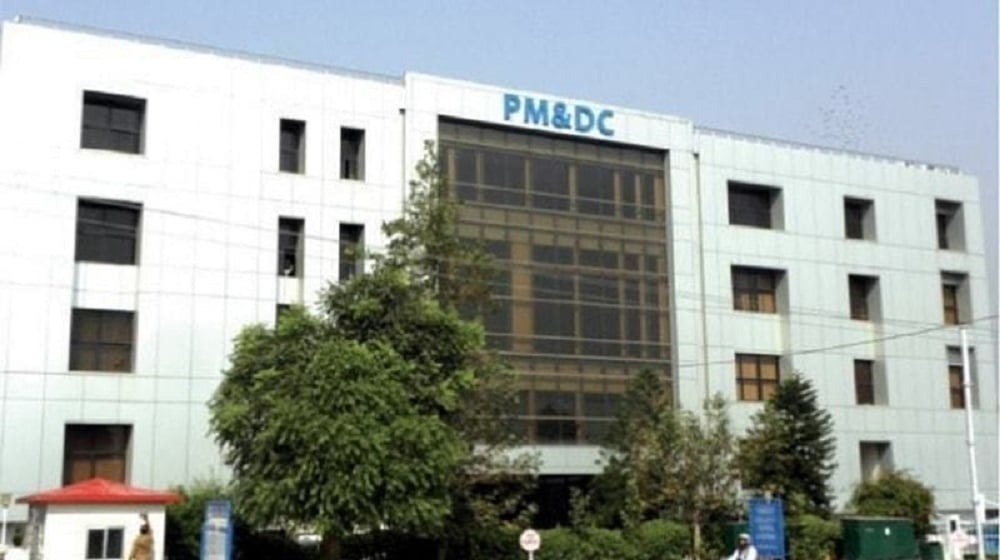
The Pakistan Medical and Dental Council is facing strong backlash from the medical community after lowering the passing marks for the Medical and Dental Colleges Admission Test. The decision has sparked concern among professionals who fear it could impact the quality of future healthcare education in Pakistan.
Leading the criticism is the Pakistan Medical Association, which represents doctors nationwide. The association has called for the immediate withdrawal of the revised policy, arguing that the move may compromise academic standards and merit-based admissions.
According to medical professionals, reducing the qualifying threshold could allow candidates with lower academic preparedness to enter medical institutions. This, they warn, may have long-term consequences for the healthcare system, where maintaining high standards of training is critical for patient safety and professional competence.
The PMA has also raised concerns about the intent behind the decision. Officials within the organization suggested that the revised passing criteria could be aimed at filling vacant seats in private medical colleges, a claim that has further intensified the debate around transparency and fairness in the admissions process.
The Medical and Dental Colleges Admission Test, commonly known as MDCAT, serves as a key benchmark for aspiring medical students. Any changes to its structure or requirements often carry significant implications for thousands of candidates across the country.
Critics argue that instead of lowering standards, authorities should focus on improving educational quality and addressing systemic issues within the medical education sector. They stress that merit must remain the cornerstone of admissions to ensure the development of competent healthcare professionals.
The controversy has triggered widespread discussion among students, educators, and policymakers. As pressure mounts, all eyes are now on the PMDC to see whether it will reconsider its decision or move forward despite the growing opposition.