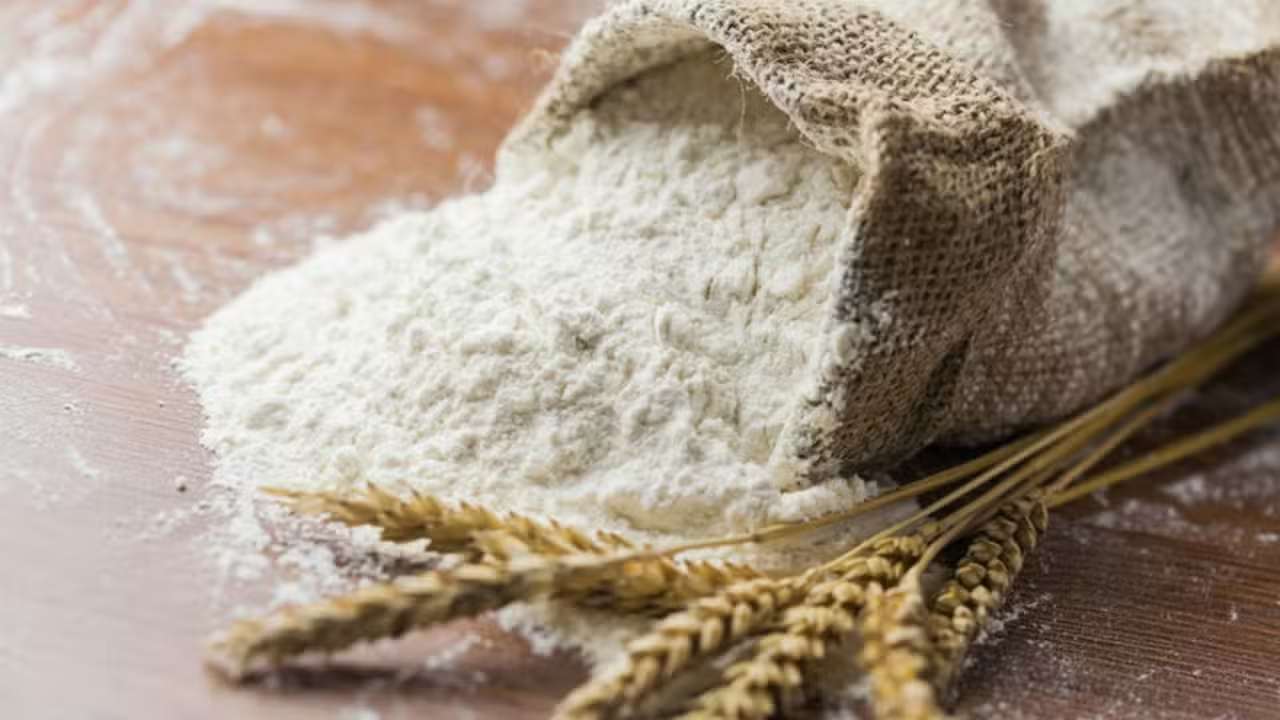
Wheat flour prices have increased across several cities in Pakistan, adding further pressure to household budgets as consumers face higher costs for one of the country’s most essential food staples.
According to the latest data from the Pakistan Bureau of Statistics (PBS), Islamabad recorded the highest reported price for a 20-kilogram bag of wheat flour. The average price reached Rs3,133.33 in the federal capital.
Rawalpindi recorded the second-highest rate, with a 20kg bag selling for around Rs3,093.33. The figures highlight significant price differences between major markets and show the continuing pressure on wheat flour prices in parts of the country.
The latest PBS figures also show that flour prices increased by as much as Rs100 within a single week in some markets. Such short-term increases can have a direct impact on household food expenses, particularly for families that depend heavily on wheat-based products.
Khuzdar recorded the biggest weekly increase among the markets highlighted in the data. The price of a 20kg bag rose by Rs100, making it one of the areas experiencing the sharpest recent increase.
Bahawalpur also witnessed a notable rise, with the price increasing by Rs60 during the week. In Hyderabad, the reported price went up by Rs40 over the same period.
Wheat flour is a key part of the Pakistani diet, making changes in its price particularly important for consumers. Higher flour prices can also affect the cost of naan, roti and other commonly consumed wheat-based food items.
The increase comes at a time when food prices remain an important economic concern for households across the country. Even relatively small increases in essential commodities can put additional pressure on monthly household spending.
Price differences between cities can be influenced by transportation expenses, local supply conditions, wholesale and retail margins, and regional market dynamics. The weekly changes reported by PBS therefore provide an important indication of how flour prices are moving across different parts of Pakistan.
Islamabad’s reported price of more than Rs3,100 for a 20kg bag is particularly significant because wheat flour is a basic household necessity. Continued increases could affect consumers as well as restaurants, bakeries and other businesses that use flour as a primary ingredient.
The latest figures also underline the importance of monitoring wheat supply and market conditions. Stable supplies and effective price monitoring can help reduce sudden fluctuations and provide greater predictability for consumers.
For households already managing higher living costs, rising flour prices could create additional financial pressure. Consumers in cities experiencing the largest weekly increases are likely to feel the impact most directly.
The PBS data offers a snapshot of the current market situation and will remain important for tracking whether flour prices stabilize, decline or continue rising in the coming weeks.