Tetra Pak has called for urgent reforms to Pakistan’s food systems as the country continues to face serious challenges related to malnutrition and child stunting.
The company stressed that addressing the nutrition crisis requires more than increasing food supplies. Pakistan also needs stronger systems capable of delivering safe, nutritious and affordable food to consumers.
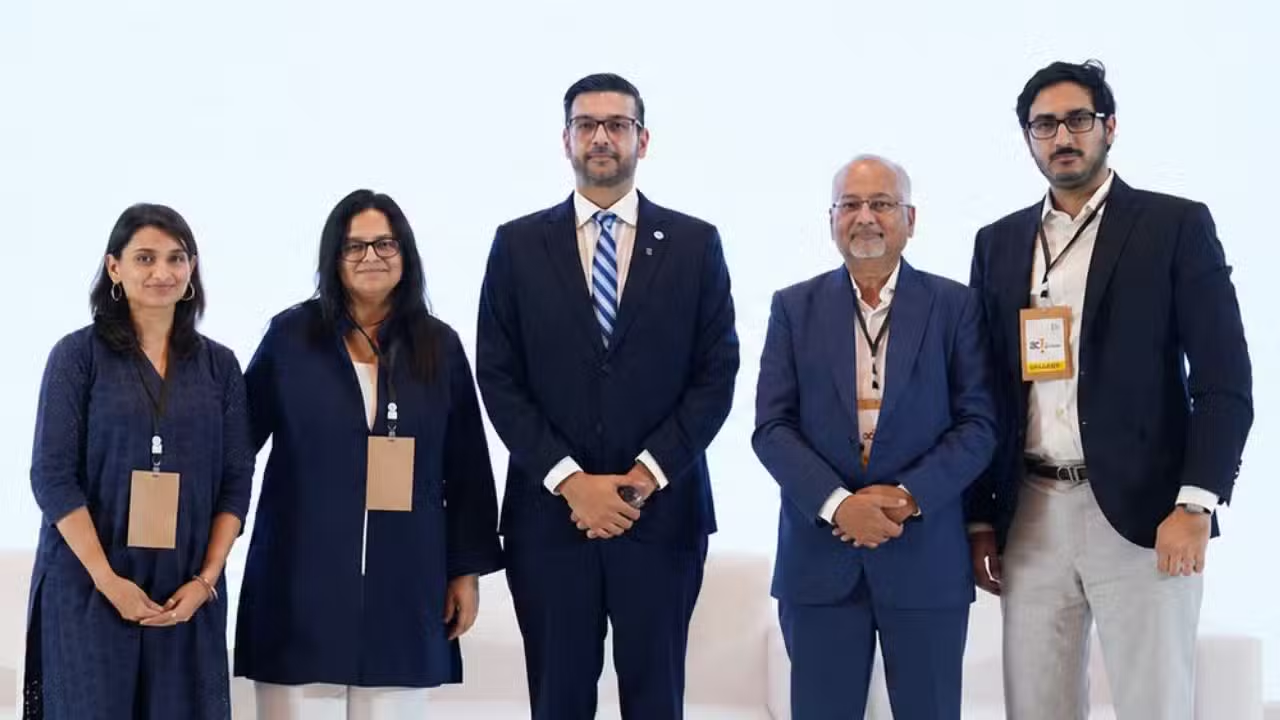
The call was made during a two-day high-level dialogue in Islamabad that brought together policymakers, development experts and private-sector representatives to discuss Pakistan’s growing nutrition challenges.
Noor Aftab, Director of Corporate Affairs for Pakistan, Middle East, North and West Africa at Tetra Pak, highlighted the importance of policy reforms and private-sector investment in creating a stronger and more competitive food value chain.
He called for improvements in food-safety legislation, taxation, processing, packaging, storage and distribution. According to him, these areas need to work together to ensure nutritious products can reach consumers safely and at affordable prices.
Pakistan’s high inflation and reduced purchasing power have made affordability an important part of the nutrition debate. Tetra Pak emphasized that fiscal reforms and appropriate tax policies could help prevent essential nutrient-rich foods from becoming increasingly difficult for families to afford.
Food safety was also highlighted as a critical part of the food system. A nutritious product can still create health risks if it is not processed, packaged, transported or stored under appropriate safety standards.
Strengthening food processing and packaging infrastructure could help improve food safety while also creating opportunities for investment. Better storage and distribution networks could further reduce losses and make it easier for food products to reach consumers across the country.
The dairy sector was identified as one of Pakistan’s biggest opportunities for combining nutrition with economic growth. Pakistan is among the world’s major milk-producing countries, giving its dairy industry significant potential to support farmers, strengthen food security and expand industrial activity.

However, improving productivity at the farm level remains essential. Average milk yields in Pakistan are significantly lower than those achieved in leading dairy markets, indicating substantial room for improvement through better farming practices and stronger production systems.
Higher dairy productivity, combined with increased processing capacity and improved food-safety standards, could strengthen the overall competitiveness of Pakistan’s dairy industry. It could also create opportunities for greater investment and future export growth.
School feeding programmes were another area highlighted during the dialogue. Such programmes can provide children with essential nutrition while creating demand for locally produced and safely processed food products.
Tetra Pak said it has supported school milk programmes globally since 1962, with millions of children receiving milk and fortified beverages in its packaging across different countries.
The discussions also highlighted the scale of Pakistan’s child nutrition challenge. Four out of every 10 children under the age of five in Pakistan are reportedly affected by stunting, a situation described during the dialogue as a national emergency.
Experts participating in the event stressed that tackling malnutrition requires coordinated action across the food system. This includes improving supply-chain incentives, strengthening workforce capabilities and establishing consistent food-safety standards.
For Pakistan, reforms in these areas could have benefits extending beyond nutrition. A more efficient food and dairy value chain could support farmers, attract investment, create employment and contribute to broader economic development.
The dialogue therefore placed food-system reform at the centre of efforts to address malnutrition. Strengthening the connection between food production, safety, processing, affordability and distribution could help Pakistan make better use of its agricultural and dairy potential while improving access to nutritious food.