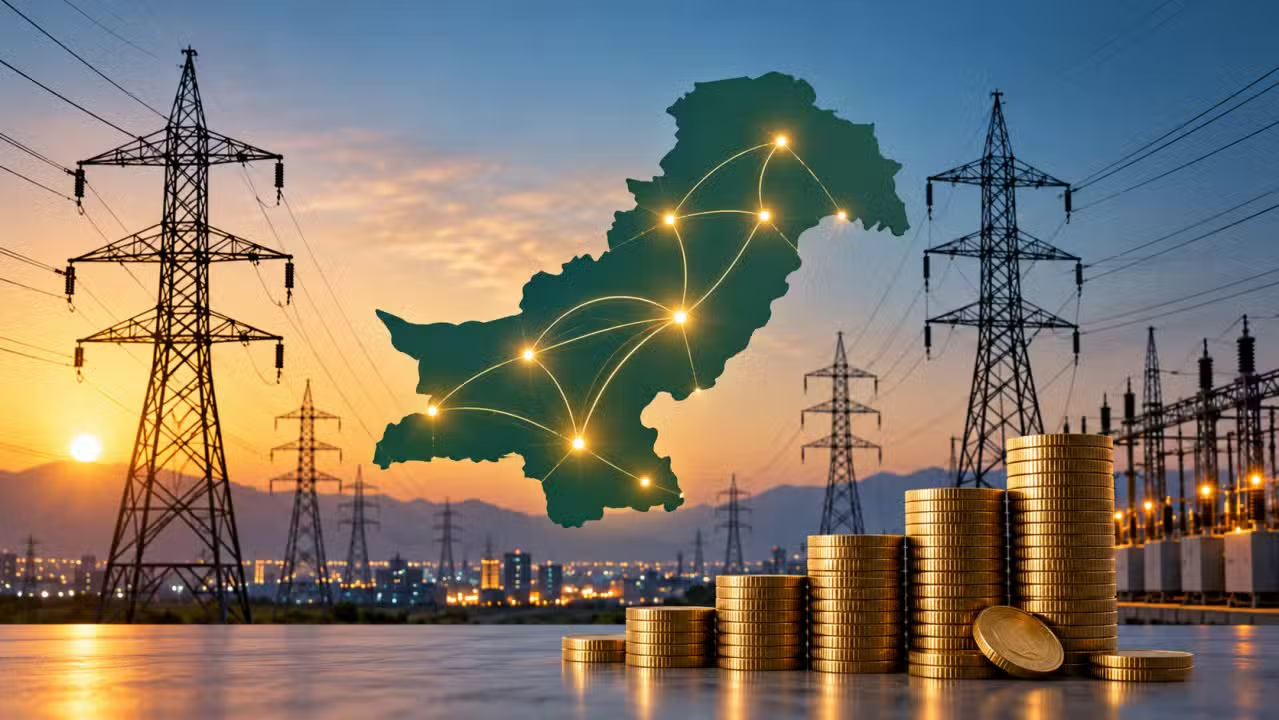
Pakistan’s efforts to provide affordable electricity to consumers continue to face major challenges as weaknesses in the national transmission system prevent cheaper power from reaching areas with high electricity demand. The resulting inefficiencies are increasing electricity generation costs and placing additional financial pressure on households and businesses.
The National Grid Company (NGC), previously known as the National Transmission and Despatch Company (NTDC), is facing criticism over its inability to efficiently transfer electricity from Sindh and other southern regions to major consumption centres in northern Pakistan.
The transmission problems are creating an imbalance in the country’s power supply system. Although Pakistan has access to several comparatively cheaper electricity sources, limitations in the national grid are restricting their effective utilization.
As a result, the power system increasingly depends on more expensive generation options, including regasified liquefied natural gas (RLNG) and imported coal. These sources can increase the overall cost of electricity production, particularly when lower-cost alternatives cannot be transmitted where they are needed.
Pakistan’s southern regions have significant electricity generation potential, including power produced through Thar coal, nuclear energy and wind projects. However, insufficient transmission capacity and infrastructure constraints are limiting the amount of electricity that can be delivered to major demand centres.
Thar coal has been considered an important component of Pakistan’s strategy to reduce dependence on imported energy resources. Similarly, nuclear power plants provide electricity that can support the country’s energy requirements, while wind projects contribute to the development of alternative domestic energy sources.
However, generating electricity at a lower cost does not automatically translate into cheaper power for consumers. A reliable transmission network is necessary to move electricity from generation facilities to distribution systems across different parts of the country.
When transmission infrastructure cannot handle the required electricity flows, the power system must rely on alternative generation sources to maintain supply. This can increase operational expenses and create additional costs that eventually affect electricity tariffs.
The financial consequences are particularly significant for Pakistan, where electricity prices already represent a major challenge for residential consumers, industrial units and commercial businesses.
Higher power costs also affect industrial competitiveness. Manufacturers operating with expensive electricity face increased production expenses, which can influence product prices, business investment and export performance.
For households, rising electricity costs reduce disposable income and make it more difficult to manage monthly expenses. Small businesses also face pressure because electricity is an essential part of their daily operations.
Addressing these challenges requires improvements in the national transmission network. Expanding transmission capacity, upgrading existing infrastructure and completing delayed grid development projects could help Pakistan transfer electricity more efficiently between regions.
Better coordination between power generation companies, transmission authorities and distribution networks is also important. Electricity planning needs to consider not only how much power the country can generate but also whether the available infrastructure can deliver that electricity to consumers.
Pakistan’s energy sector also needs greater attention to transmission planning as new power generation projects become operational. Without sufficient grid capacity, additional generation investments may not deliver their full economic benefits.
The situation highlights an important issue in Pakistan’s electricity sector: affordable generation alone cannot guarantee affordable electricity. An efficient transmission system is equally necessary to reduce reliance on expensive power sources and control the overall cost of electricity.
Until these infrastructure constraints are addressed, consumers may continue facing additional electricity costs despite the availability of comparatively cheaper domestic energy resources.