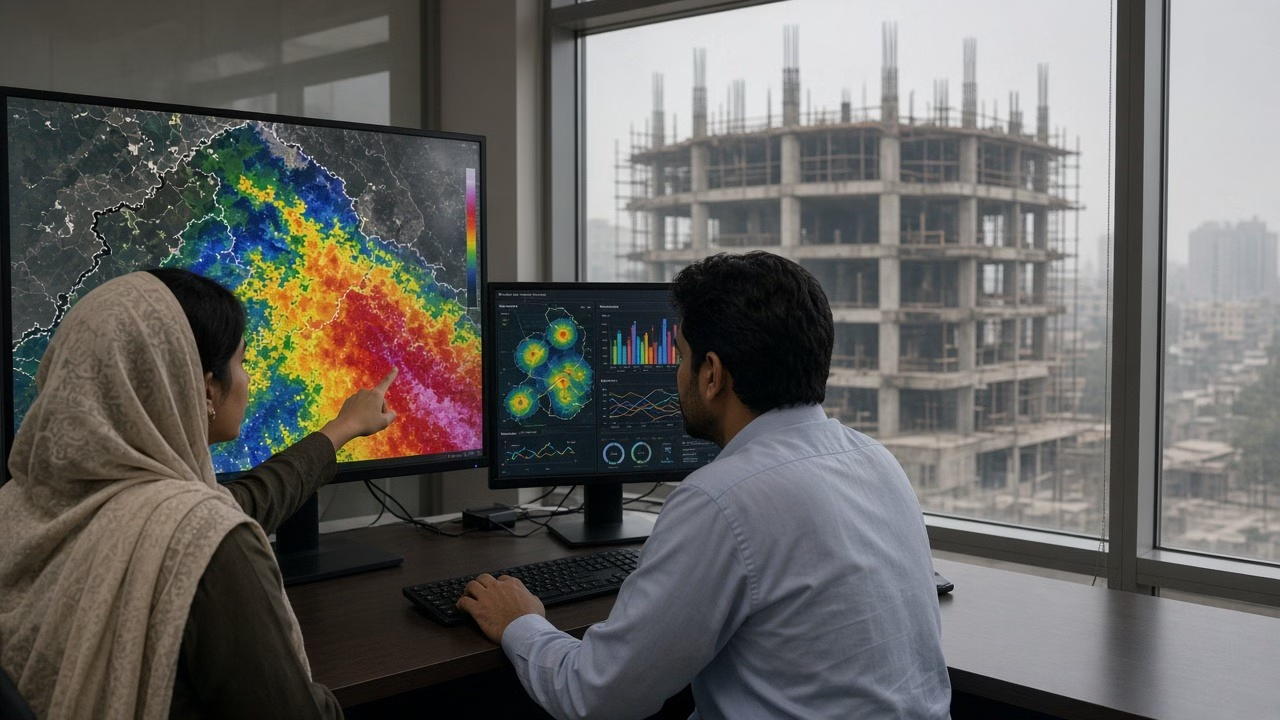
Pakistan is taking a significant step towards strengthening its climate monitoring and disaster preparedness capabilities, as the Punjab government develops the country’s first artificial intelligence-powered climate observatory in Lahore. The facility is designed to monitor environmental conditions in real time and help authorities predict extreme weather events, floods and other climate-related risks before they cause widespread damage.
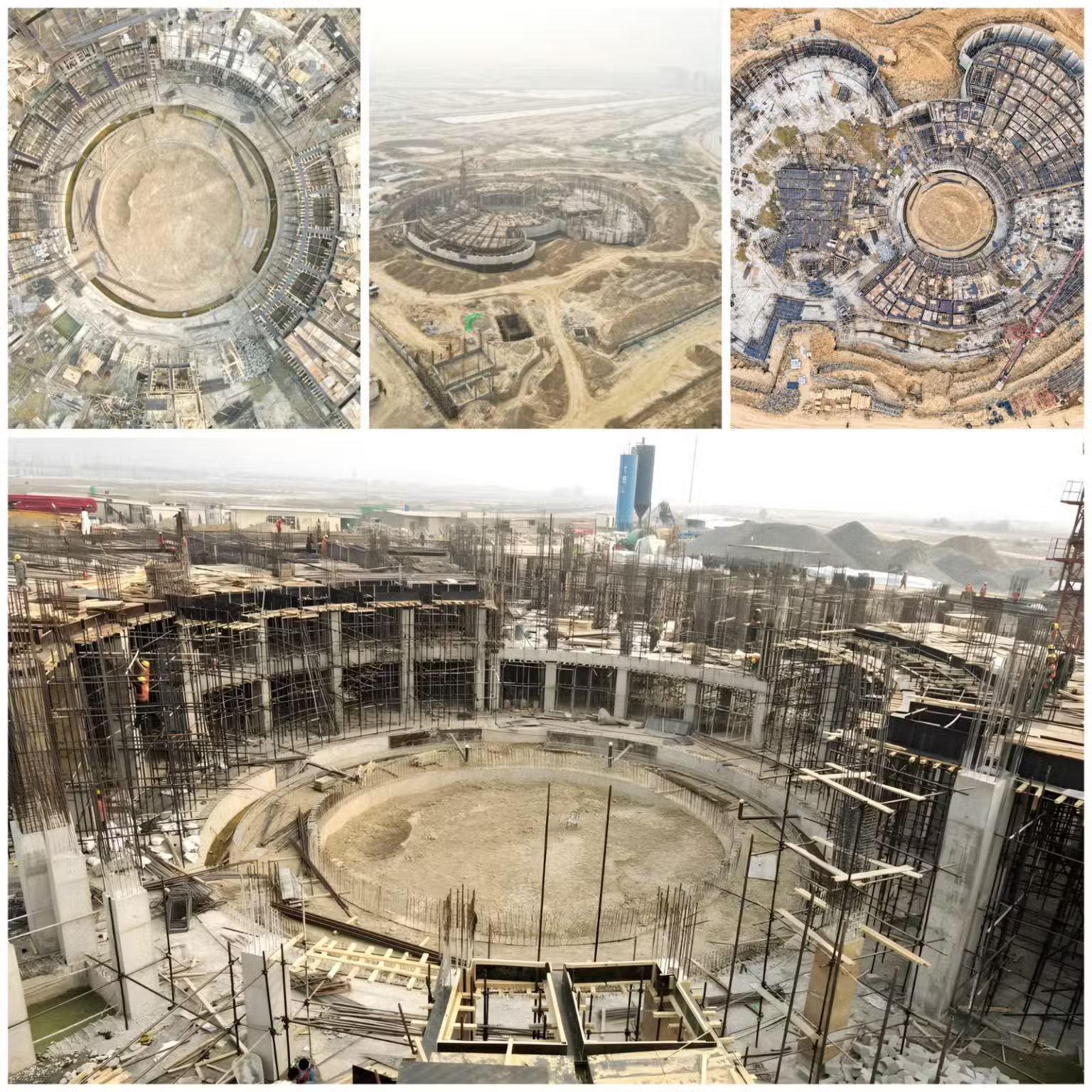
Punjab Chief Minister Maryam Nawaz Sharif recently shared a first look at the construction work on social media platform X. She described the Punjab Climate Observatory as the first facility of its kind in Pakistan, highlighting its potential role in advancing climate research and environmental protection.
The observatory will operate an advanced AI-based climate intelligence system capable of tracking several environmental indicators, including air quality, water conditions, soil health and weather patterns. By collecting and analysing real-time information, the system is expected to provide authorities with valuable insights into changing environmental conditions.
One of the project’s major objectives is to improve early warning systems across the province. Advanced forecasting tools will help strengthen flood predictions and identify potential extreme weather threats, allowing government departments and relevant authorities to prepare responses more effectively.
Pakistan is particularly vulnerable to climate-related challenges, including devastating floods, rising temperatures, irregular rainfall and deteriorating air quality. These environmental pressures have increased the need for reliable monitoring systems and timely information to protect communities, agriculture and infrastructure.
The Punjab Climate Observatory is expected to bring environmental data facilities, research laboratories, educational spaces and international scientific partnerships together under one roof. This integrated approach aims to encourage collaboration between researchers, climate experts, educational institutions and government departments.
Its proposed areas of work will extend beyond weather forecasting. The facility is also expected to support disaster rehabilitation, water conservation, sustainable resource management, climate-resilient agriculture and forest protection.
Another important objective is to promote evidence-based policymaking. Access to accurate environmental information could help government authorities make better decisions regarding urban development, agricultural planning, natural resource management and disaster prevention.
The project also aims to strengthen public awareness of climate change and its effects. By supporting research and educational activities, the observatory could provide opportunities for students and emerging scientists to develop expertise in climate science, artificial intelligence and environmental technology.
The project received approval in May 2025 following a review of its feasibility plan, including its proposed budget, equipment requirements and land arrangements. The University of Engineering and Technology Lahore also submitted a technical report outlining important aspects of the proposed facility.
In June 2025, Maryam Nawaz directed the relevant departments to accelerate construction and move the project forward. The latest update on construction indicates continued progress towards establishing the facility.
The chief minister has also highlighted the project’s potential to empower the next generation of climate scientists and position Punjab as a regional contributor to climate innovation. The province has separately been named the lead agency for a $10 million youth climate grants project, reflecting its growing involvement in climate-related initiatives.
Once operational, the Punjab Climate Observatory could become an important centre for environmental research, climate forecasting and disaster preparedness in Pakistan. Its effectiveness will ultimately depend on the accuracy of its monitoring systems, the quality of its research and how efficiently its findings are used by authorities.
The initiative represents an important move towards using artificial intelligence and scientific research to address Pakistan’s growing environmental challenges. It could also create new opportunities for climate education, technological development and international cooperation.