 By Digital Spartans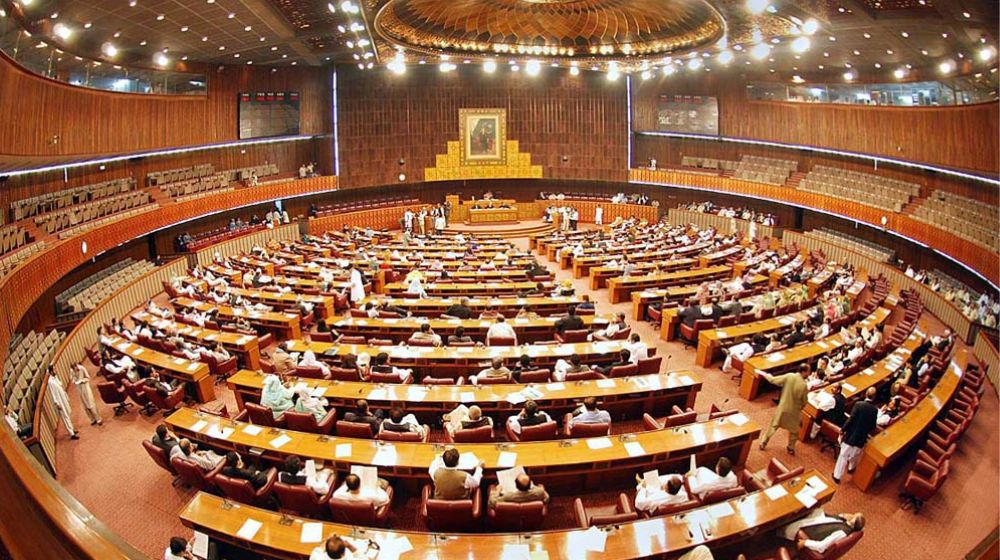
Several members of Pakistan’s Parliament, including MNAs and senators, have fallen victim to online scams, highlighting growing cybersecurity risks even for high-profile public representatives. The issue came to light during a briefing to the Senate Standing Committee on Interior, where officials warned that lawmakers are increasingly being targeted by sophisticated cybercriminal networks.
Officials from the National Cyber Crime Investigation Agency (NCCIA) informed the committee that more than a dozen parliamentarians have been affected in recent months. The reported cases include financial fraud, identity theft, online impersonation, harassment, and digital defamation, reflecting a wide spectrum of cyber-enabled crimes.
According to the briefing, some lawmakers were deceived into transferring money after being approached through fake online identities or fraudulent digital schemes. In other incidents, scammers misused personal information, photographs, or names of legislators to create fake profiles, which were then used for financial scams or to damage reputations.
The NCCIA officials emphasized that public figures are particularly vulnerable due to their visibility and the amount of personal information available about them online. Cybercriminals often exploit this exposure to design convincing scams that appear legitimate, making even experienced individuals susceptible.
The committee was informed that arrests have already been made in several cases, following digital forensic investigations and coordinated efforts with law enforcement agencies. However, officials acknowledged that tracking down all suspects remains challenging due to the use of encrypted platforms, fake accounts, and cross-border digital infrastructure.
During the briefing, NCCIA representatives stressed the need for stronger digital awareness, even among lawmakers. They noted that cybercrime tactics have evolved rapidly, with scammers now using artificial intelligence tools, deepfake content, and social engineering techniques to manipulate victims.
Members of the Senate Standing Committee on Interior expressed concern over the situation, noting that if elected representatives are being targeted so effectively, ordinary citizens may be at even greater risk. Committee members urged the NCCIA to accelerate investigations and enhance preventive measures.
The issue has also reignited discussions around the need for improved cybersecurity training for public office holders. Experts believe that regular briefings, secure communication protocols, and stronger data protection practices could significantly reduce risks for lawmakers and government officials.
Officials further highlighted that cybercrime is no longer limited to financial losses. Online defamation, impersonation, and harassment can have serious political, personal, and security implications, especially for individuals holding sensitive positions.
As cyber threats continue to grow in scale and complexity, the NCCIA reiterated its commitment to strengthening digital surveillance, investigative capacity, and public awareness. The cases involving MNAs and senators serve as a stark reminder that cybercrime in Pakistan is evolving rapidly and requires coordinated action at both policy and enforcement levels.