 By webdesk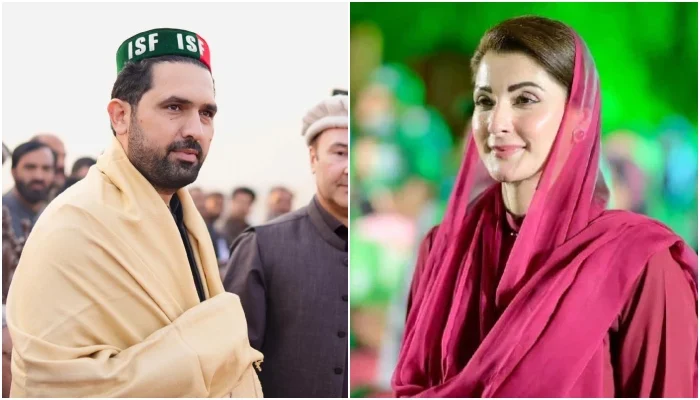
Judicial Directives Violated in Visitation Rights Case
Khyber Pakhtunkhwa Chief Minister Sohail Afridi has formally urged Punjab Chief Minister Maryam Nawaz to ensure compliance with court-ordered visitation rights for PTI founder Imran Khan’s family members. In a strongly worded letter, Afridi highlighted repeated failures to implement “clear and binding” judicial instructions allowing designated relatives to meet the incarcerated former prime minister. The communication emphasizes that authorized visits by immediate family constitute legal rights rather than privileges, with Afridi condemning recent incidents where Khan’s sisters were allegedly detained and mistreated during attempts to exercise these rights.
Family Members Face Police Action During Peaceful Protest
The KP CM’s intervention follows a contentious incident involving Khan’s sisters—Aleema Khan, Noreen Khan Niazi, and Uzma Khanum—who were temporarily detained after staging a sit-in near Rawalpindi’s Adiala Jail. Police reportedly used water cannons and arrested 8-10 PTI supporters, including the sisters, when they refused to disperse after being denied visitation access. Afridi characterized these individuals as “apolitical private citizens” lawfully seeking family contact, noting their treatment created an “untenable” situation undermining judicial authority and due process. Aleema Khan has served as a crucial liaison between Imran Khan and PTI supporters, regularly conveying his messages to the media following permitted visits.
Call for Systemic Reforms in Prison Visitation Procedures
Chief Minister Afridi’s letter outlines specific demands to prevent future violations, including establishing dignified visitation areas, holding responsible officials accountable, and creating transparent mechanisms for compliant family meetings. The communication stresses that disrespect toward a former head of government’s family raises institutional concerns requiring immediate resolution. Afridi frames his appeal as necessary to preserve constitutional governance, asserting that arbitrary obstruction of court-mandated rights compromises Pakistan’s rule of law standards. The development highlights ongoing tensions between provincial administrations regarding the handling of high-profile detainees as PTI continues challenging what it perceives as politically motivated restrictions.