 By Digital Spartans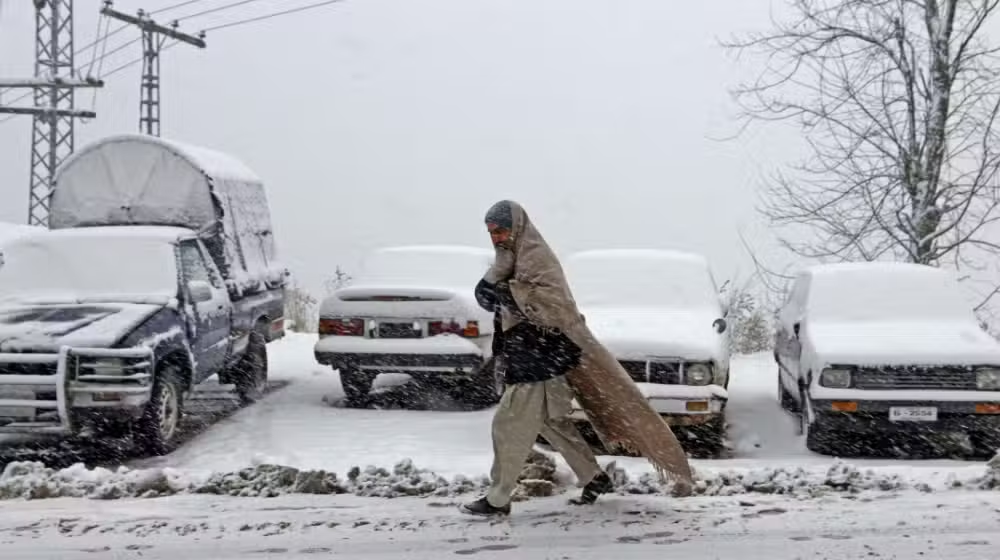
Pakistan is set to experience severe winter conditions as the National Emergency Operations Center has issued a nationwide weather advisory valid until January 29, warning of extreme cold, heavy snowfall, and increased avalanche risks in northern and upper regions.
According to the advisory, the Pakistan Meteorological Department has forecast the continuation of an intense cold wave affecting most parts of the country. Authorities have urged citizens, especially those in vulnerable areas, to remain cautious and follow safety guidelines during this period.
Islamabad is expected to witness cold and dry weather, with temperatures remaining significantly below seasonal averages. Cold winds are likely to prevail across most districts of Punjab, further intensifying the chill factor and increasing health risks for children, the elderly, and people with respiratory conditions.
In Khyber Pakhtunkhwa, Gilgit-Baltistan, Azad Jammu and Kashmir, and northern Balochistan, heavy snowfall is anticipated in upper and mountainous regions. These conditions may disrupt daily life, block roads, and affect power and communication infrastructure. NEOC has warned that the risk of avalanches has increased substantially in snow-covered mountainous areas, posing a threat to residents, tourists, and travelers.
Authorities have advised people living in high-altitude regions to avoid unnecessary travel and stay informed through official weather updates. Tourists planning visits to northern areas have been urged to reconsider travel plans until conditions improve, as road closures and sudden weather changes could pose serious risks.
The advisory also highlights the potential impact on transportation networks. Snow accumulation and fog may reduce visibility on highways and mountain passes, increasing the likelihood of traffic accidents. Relevant departments have been instructed to remain on alert to ensure timely clearance of roads and emergency response if required.
In addition to snowfall, extreme cold temperatures are expected to affect central and southern regions as well. While these areas may not experience snow, the prolonged cold wave could impact agriculture, water supply, and energy consumption. Experts advise farmers to take protective measures for crops and livestock to minimize losses during the harsh weather.
NEOC has emphasized the importance of preparedness and coordination among provincial disaster management authorities. Emergency services have been directed to remain vigilant, particularly in regions prone to avalanches and landslides.
Citizens are encouraged to dress warmly, limit exposure to cold winds, and ensure proper heating arrangements at home while taking precautions to avoid carbon monoxide poisoning. Staying hydrated and checking on vulnerable family members and neighbors is also recommended.
Officials have reassured the public that monitoring is ongoing and further updates will be issued if weather conditions worsen. The advisory serves as a reminder that winter hazards can escalate quickly, making awareness and precaution essential.