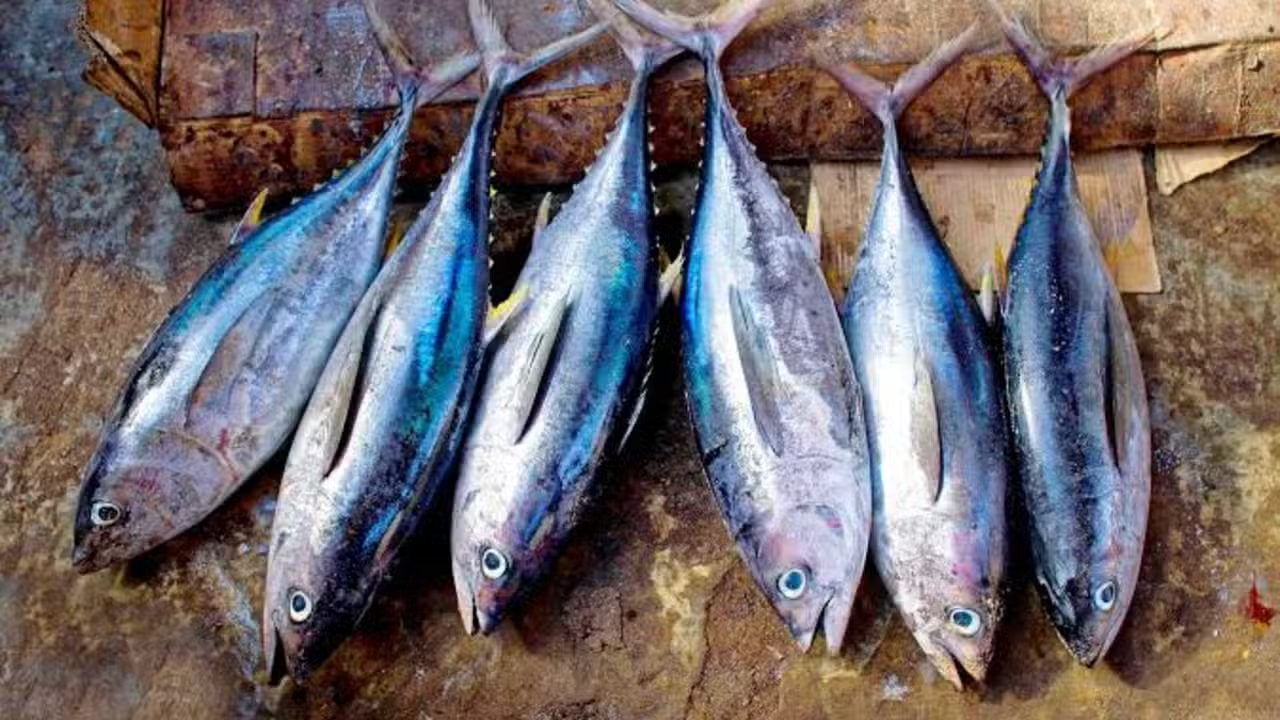
Pakistan has secured its first-ever tuna fishing quota of 25,000 metric tons from the Indian Ocean Tuna Commission (IOTC), marking a significant development for the country’s maritime and seafood industries. The allocation could create new export opportunities, attract foreign investment and strengthen Pakistan’s position in the international seafood market.
The development is also expected to support the growth of the country’s fishing and seafood-processing sectors, with estimated export earnings potentially reaching $200 million.
Federal Minister for Maritime Affairs Muhammad Junaid Anwar Chaudhry announced the achievement during a meeting with an eight-member delegation from the Maldives. The delegation was led by Minister of Tourism and Civil Aviation Mohamed Ameen.
According to the announcement, Pakistan’s newly secured fishing quota includes 15,000 metric tons of yellowfin tuna and 10,000 metric tons of skipjack tuna. Both varieties are commercially important species in the international seafood trade and have demand in several global markets.
The allocation provides Pakistan with an opportunity to expand its tuna fishing operations and develop a stronger seafood export network. It could also encourage investment in modern fishing facilities, processing infrastructure and seafood preservation technologies.
During the meeting, Muhammad Junaid Anwar Chaudhry invited Maldivian investors to explore business opportunities in Pakistan’s developing tuna-processing and canning industry.
He highlighted the potential of international partnerships in expanding seafood exports and attracting foreign investment. Cooperation with experienced investors could help Pakistan improve its processing capacity and strengthen its access to international markets.
The proposed investment opportunities could also support the development of modern canning facilities, cold storage systems and other infrastructure required for handling seafood products.
Pakistan’s fisheries sector has significant potential because of the country’s coastline along the Arabian Sea. However, expanding exports requires improved infrastructure, modern fishing methods, quality control and compliance with international seafood standards.
The newly secured tuna quota could provide an opportunity to address some of these challenges by encouraging investment throughout the seafood supply chain.
The potential economic benefits extend beyond export earnings. Increased fishing and processing activities could create employment opportunities for coastal communities, fishermen, seafood processors and workers involved in transportation and logistics.
The development could also strengthen maritime cooperation between Pakistan and the Maldives, particularly in fisheries, investment and seafood-related industries.
With an allocation of 25,000 metric tons, Pakistan now has an opportunity to explore new markets for its tuna products while developing its domestic processing capabilities.
If supported by effective implementation, modern infrastructure and international partnerships, the historic quota could become an important contributor to Pakistan’s seafood exports and wider blue economy development.