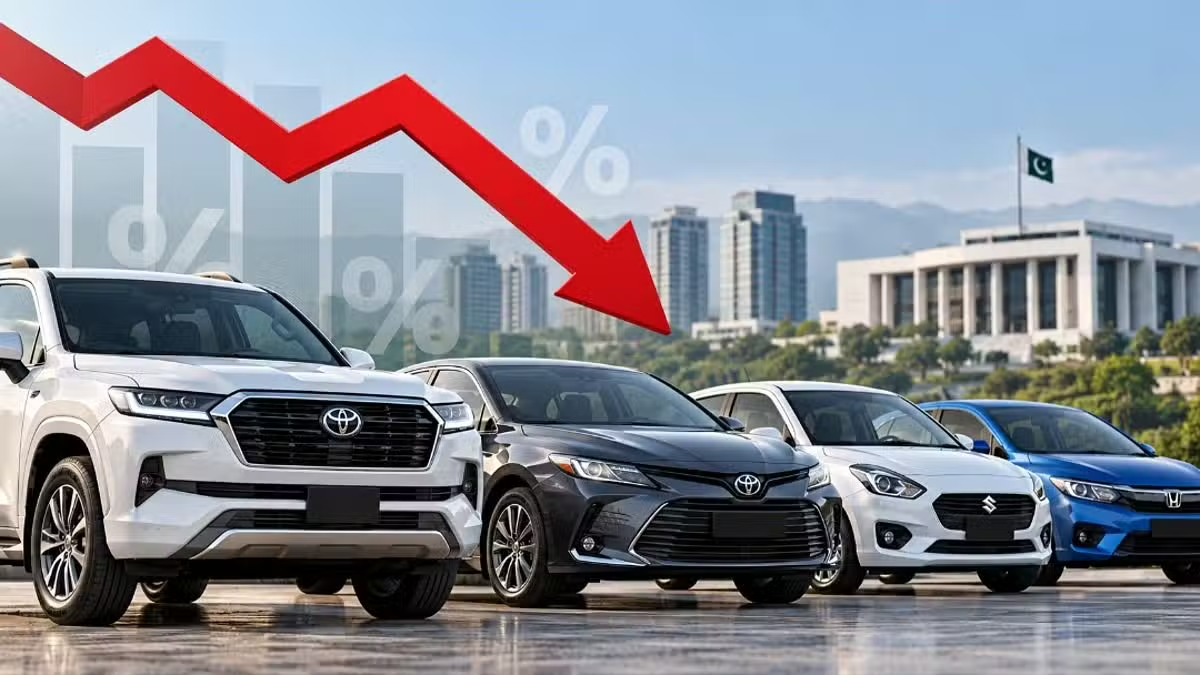
Pakistan’s proposed Auto Policy 2026–31 could make vehicles more affordable by lowering prices across several categories, according to preliminary industry estimates. If the proposed measures are implemented, buyers may see reductions in the prices of conventional petrol cars, hybrid electric vehicles (HEVs), and plug-in hybrid electric vehicles (PHEVs).
The expected changes could provide some relief to consumers who have faced high vehicle prices and affordability challenges in Pakistan. However, the final impact will depend on the policy’s approved provisions and how automakers respond to any changes in costs and regulations.
According to preliminary estimates, prices of conventional petrol-powered cars could decline by approximately 8% to 10%. This reduction could make traditionally powered vehicles more accessible to buyers who are planning to purchase a new car.
Hybrid electric vehicles may also become cheaper under the proposed framework. Industry estimates suggest HEV prices could fall by around 9%, potentially encouraging more consumers to consider vehicles that combine a conventional engine with electric assistance.
Plug-in hybrid electric vehicles could experience the largest price reductions among the categories covered by the estimates. Their prices may fall by more than 20%, depending on the final policy measures and their implementation.
Such a reduction could improve the affordability of PHEVs, which can use both a combustion engine and an externally rechargeable battery. Lower prices may make these vehicles a more attractive option for customers interested in reducing fuel consumption while retaining the flexibility of conventional petrol-powered driving.
The projected price changes could also influence purchasing decisions across Pakistan’s automotive market. Buyers may compare petrol cars, conventional hybrids, and plug-in hybrids more closely if the expected reductions translate into actual showroom prices.
However, the estimates should not be treated as confirmed price cuts. The Auto Policy 2026–31 remains proposed, and the final outcome will depend on the approved policy details, applicable taxes and duties, manufacturing and import costs, and pricing decisions made by individual automakers.
The policy could become an important factor in shaping vehicle affordability and consumer demand over the coming years. Until the government finalizes the framework and manufacturers announce revised prices, buyers should regard the projected reductions as preliminary rather than guaranteed savings.